emily larned
thinking what we are doing #3
Why Reissue?
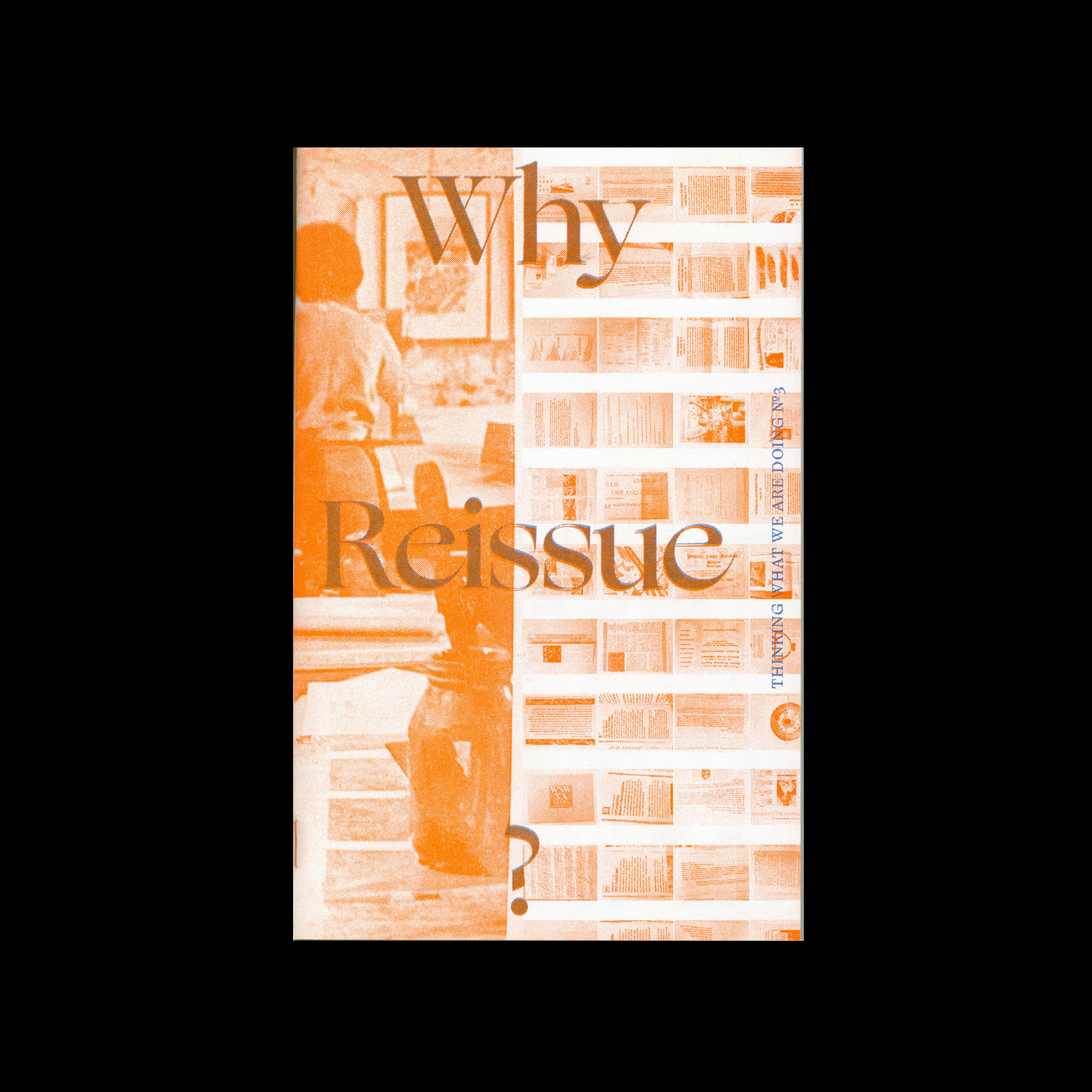
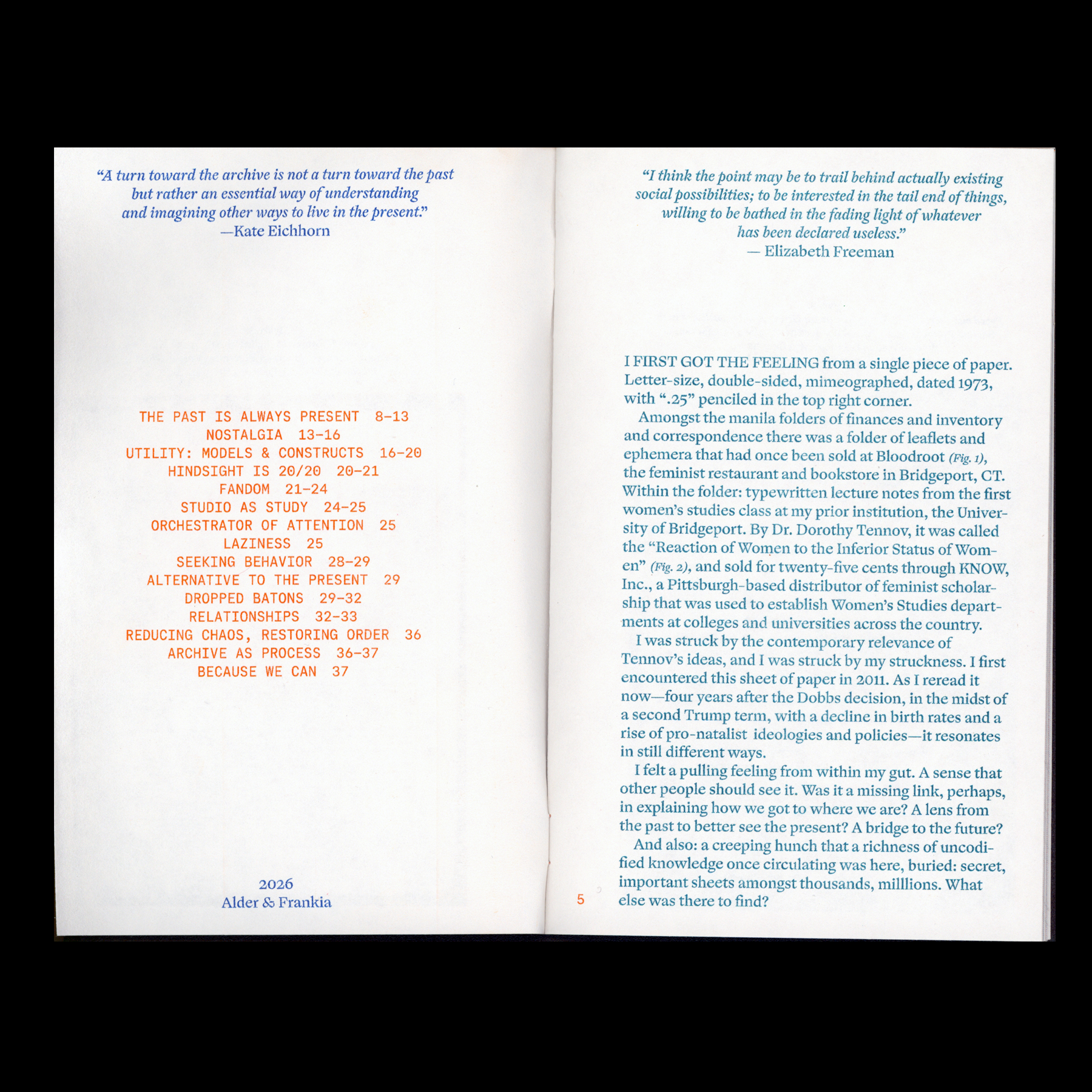
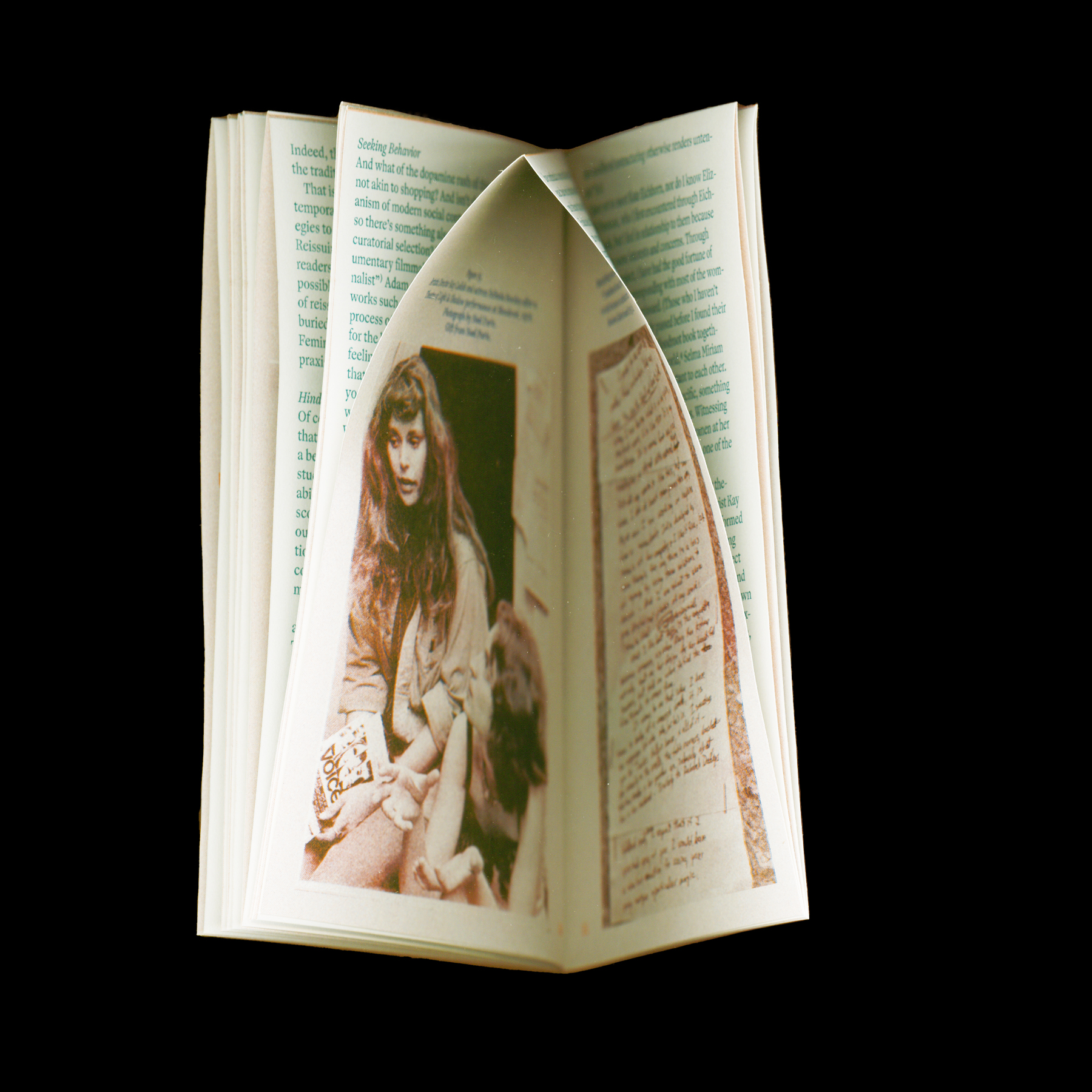
Why Reissue?" explores the thinking and motivations behind reissuing in the 21st century, with a focus on the story behind my Efemmera Reissue Project (2019-present), through which I reissue feminist ephemera found in archives. In addition to my own reasonings and rationale, this essay also includes excerpts from emails with fellow enthusiasts James Hoff, Michael Klausman, Faythe Levine, and Eric Parrish, as it bounces through time and space from 2011 Yale Archives to the Tang Dynasty to Y2K NYC to Renaissance Florence and touches upon ideas from Kate Eichhorn, Taller California, Tim Devin, Raymond Williams, Elizabeth Freeman, Adam Curtis, Peggy Chinn, and beyond. The zine is french-folded with all archival images, captions, credits, and works cited hidden inside the folds, as they are in the archives: please enjoy the digging.
next from impractical labor
ILSSA Diagrams
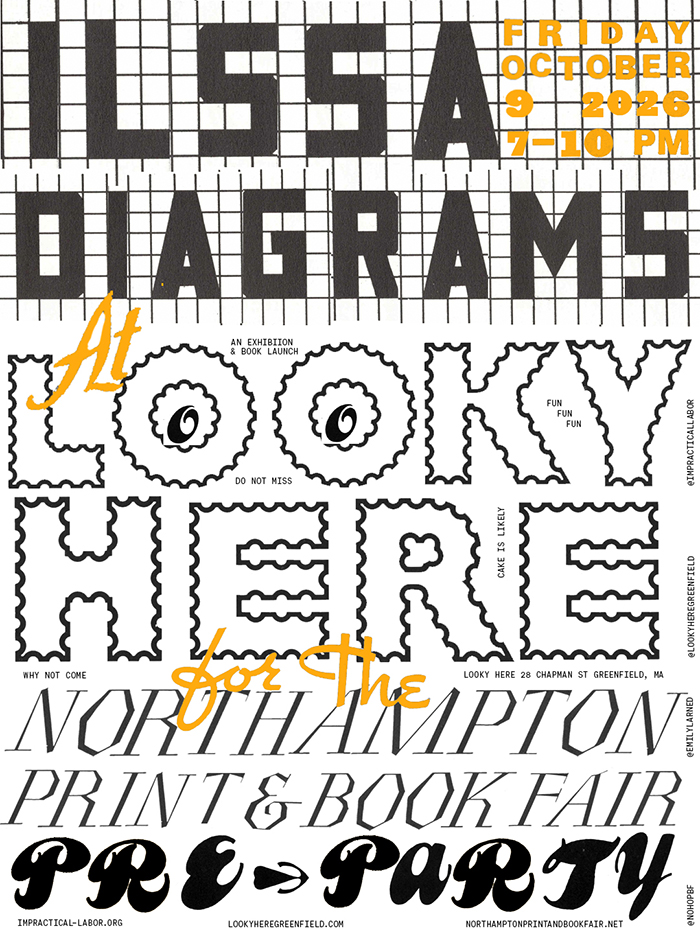
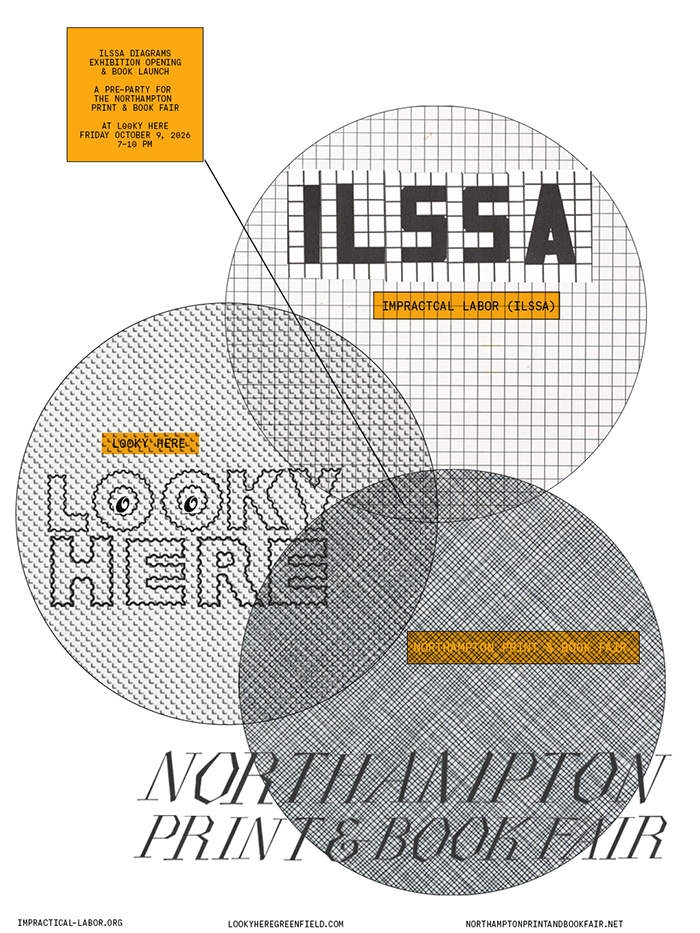
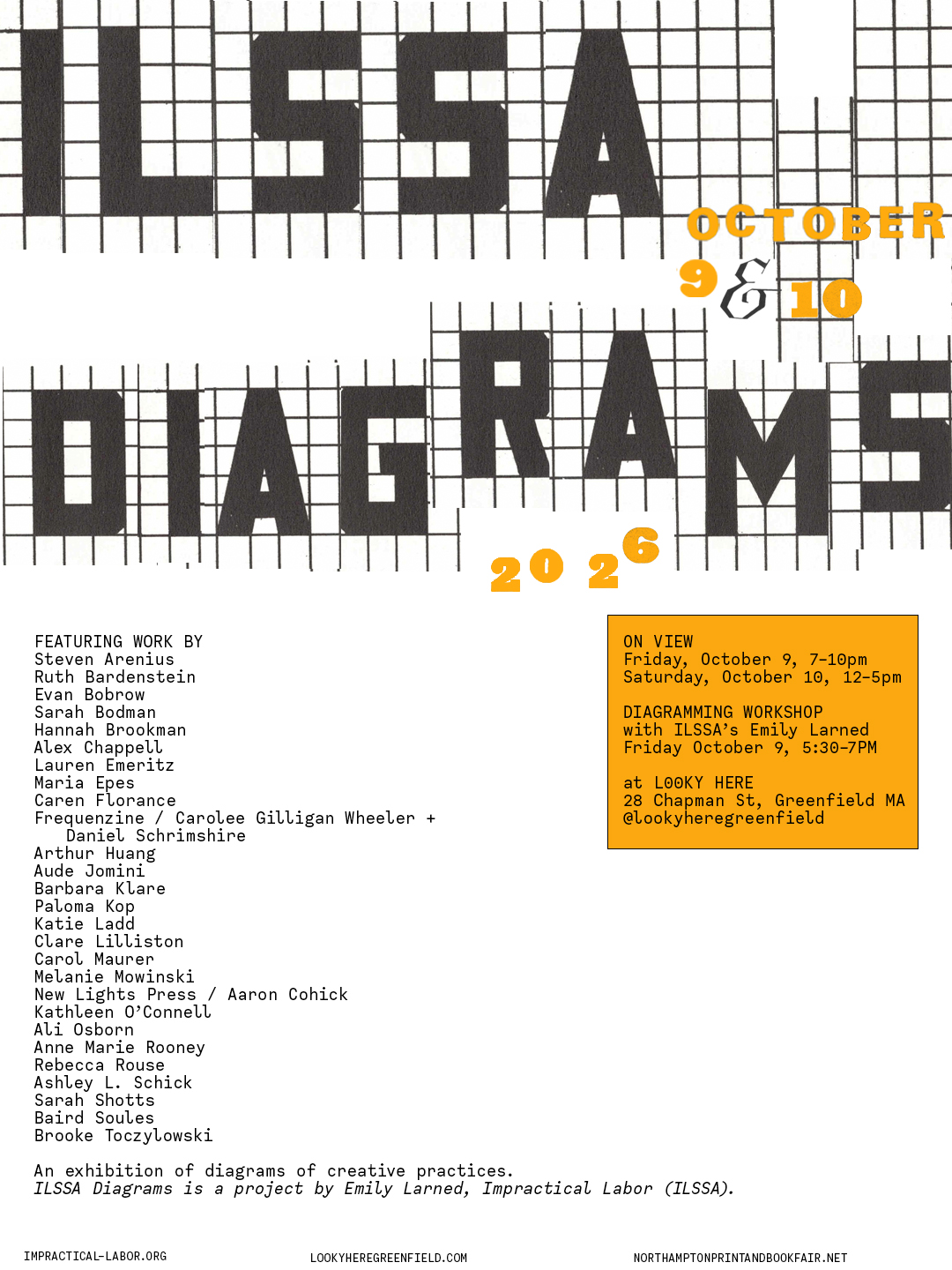
How do you make your process visible, legible, traceable? ILSSA Diagrams is an exhibition of diagrams of creative practices contributed by impractical laborers across the globe, on view one-weekend-only at Looky Here in Greenfield, MA. The opening for this exhibiton, on Friday October 9 from 7–10pm, doubles as the pre-party for the 2026 Northampton Print & Book Fair, one of ILSSA / Alder & Frankia's most favorite fairs. Come hang out with NPBF exhibitors and organizers, bring zines to help pollinate the NPBF free zine rack, and grab NPBF merch featuring artwork by Looky Here’s own Hannah Brookman. And: head over early to diagram your own creative practice. ILSSA's Emily Larned will be offering a free, drop-in diagramming workshop on Friday October 9 from 5:30–7pm at Looky Here, 28 Chapman St, Greenfield, MA. Be sure to visit the Northampton Print & Book Fair the next day on Saturday October 10 from 11–5 at 33 Hawley in downtown Northampton. ILSSA Diagrams will remain open for viewing on Saturday October 10 at Looky Here from 12–5pm. Forthcoming: ILSSA Diagrams the book. Stay tuned!
alder & frankia efemmera reissue series #8
Workshopping at WSW
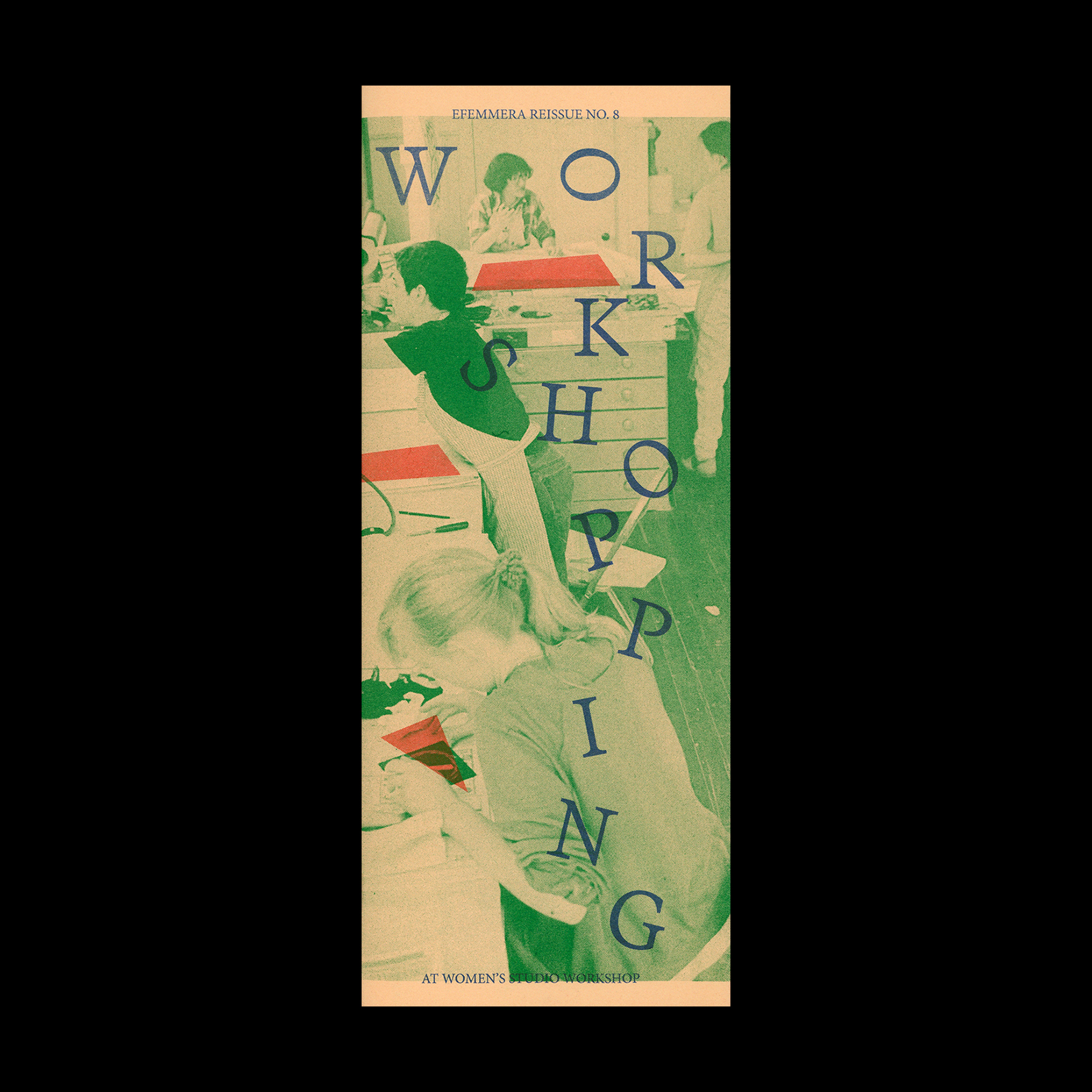
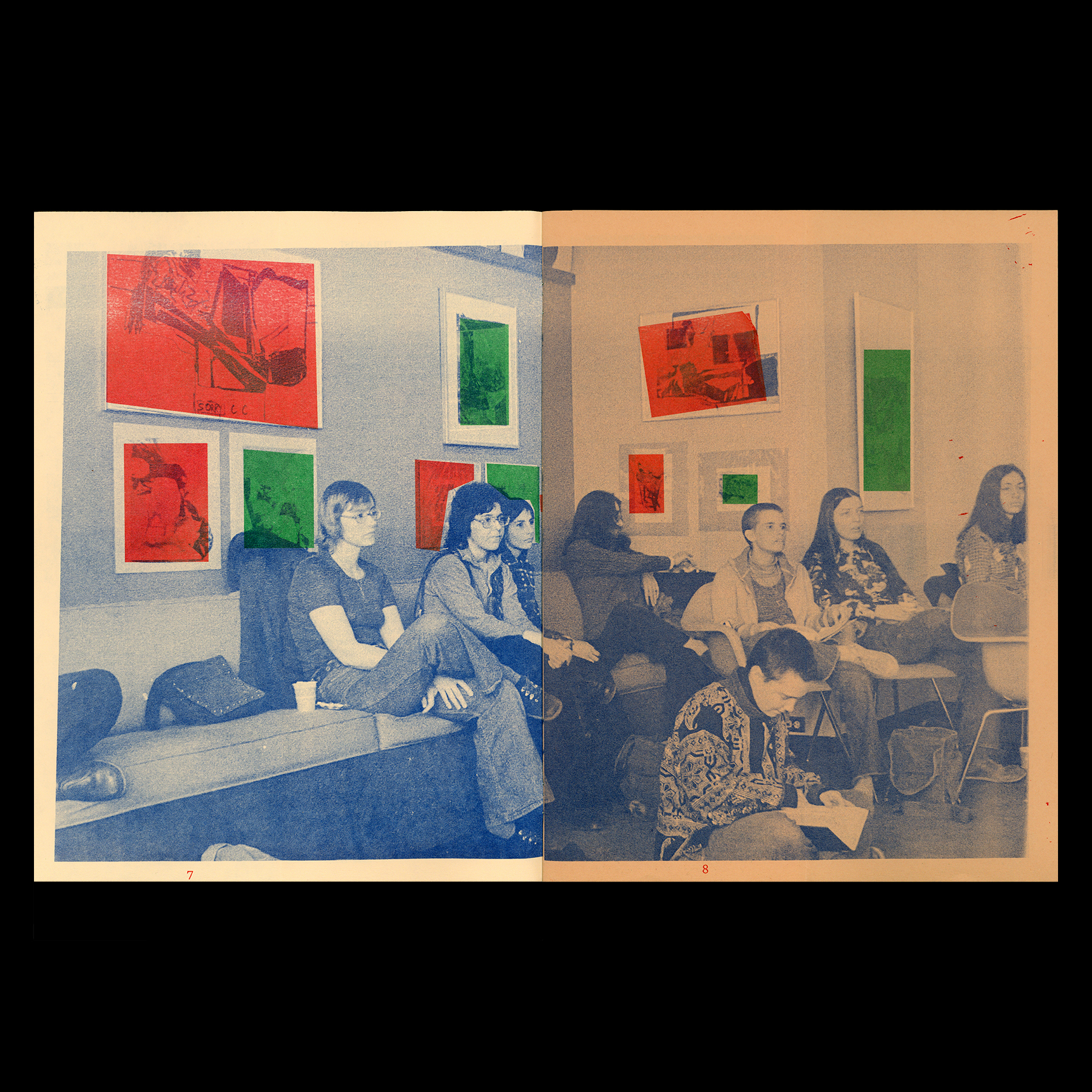
Circles in the Dirt. Mapmaking and Life Diagrams. Contemporary Ritual. Aesthetics and Sources. Learning to Pay Attention. Visionary Art. In addition to teaching studio skills such as papermaking, printmaking, and book arts, Women’s Studio Workshop (WSW) has offered workshops that are more experimental, personal, conceptual, or exploratory in nature, rooted in self-observation, inquiry, listening, embodiment, performance, study, and dreams. A new publication created from the WSW Archives for Emily Larned's solo exhibition Workshopping at Women's Studio Workshop; reviewed by Levi Sherman on Artist Book Reviews.
solo exhibition at women's studio workshop
Workshopping
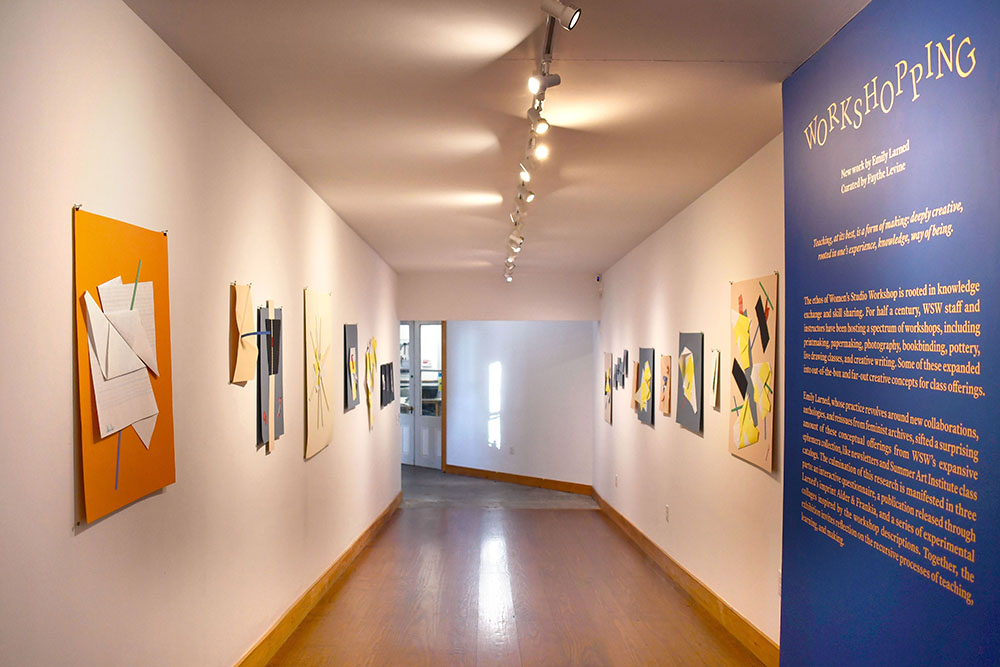
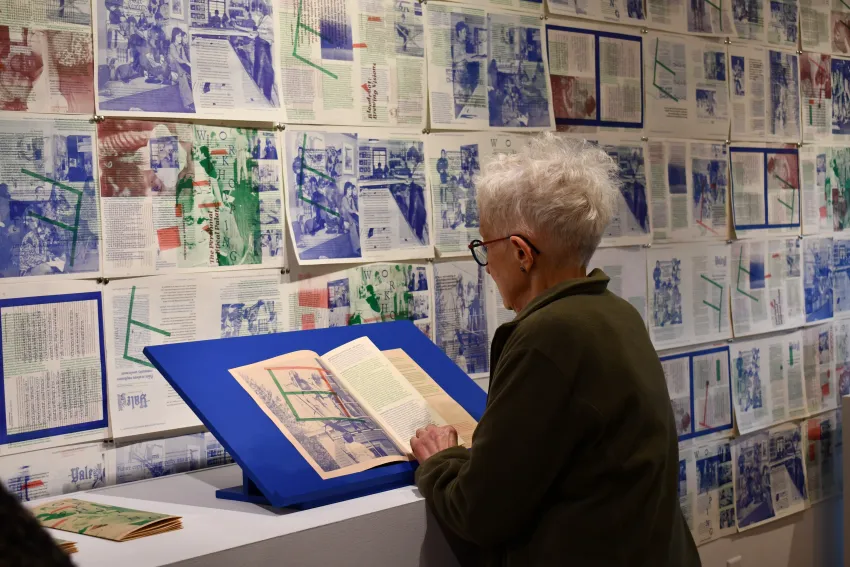
From the wall text by curator Faythe Levine:
"Teaching, at its best, is a form of making: deeply creative, rooted in one’s experience, knowledge, way of being."
The ethos of Women’s Studio Workshop is rooted in knowledge exchange and skill sharing. For half a century, WSW staff and instructors have been hosting a spectrum of workshops, including printmaking, papermaking, photography, bookbinding, pottery, live drawing classes, and creative writing. Some of these expanded into out-of-the-box and far-out creative concepts for class offerings.
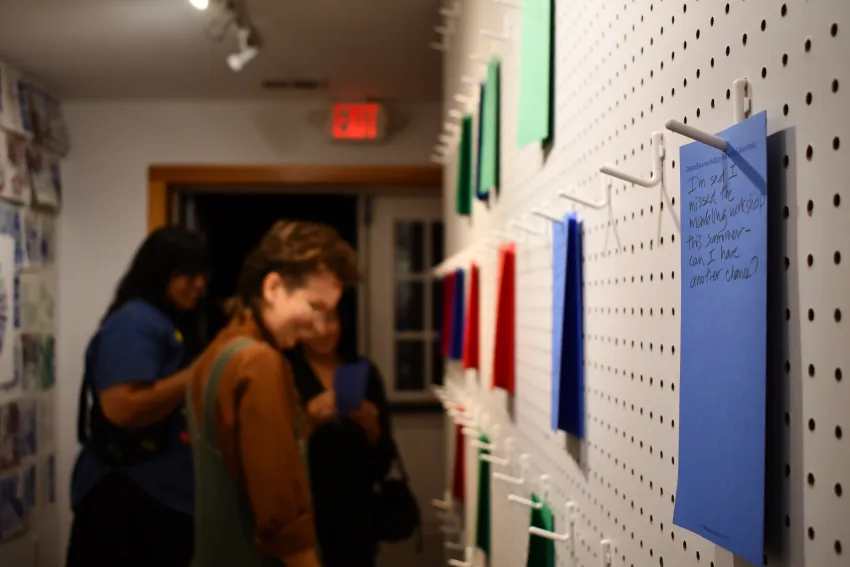
Emily Larned, whose practice revolves around new collaborations, anthologies, and reissues from feminist archives, sifted a surprising amount of these conceptual offerings from WSW’s expansive ephemera collection, like newsletters and Summer Arts Institute class catalogs. The culmination of this research is manifested in three parts: an interactive questionnaire, a publication released through Larned’s imprint Alder & Frankia, and a series of experimental collages inspired by the workshop descriptions. Together, the exhibition invites reflection on the recursive processes of teaching, learning, and making."
On view at Women's Studio Workshop, October 3,2025 – February 23, 2026 (extended from the original closing date of January 23).
exhibition at suny brockport
Community Shared Design

This exhibition presented my research process along with the finished publications of my feminist archival work amongst the "client-less" work of other graphic designers, publishing artists, and design educators using their work to represent and support social change in and with their communities. Curated by Tate Shaw. On view from November 13 – December 14, 2025 at Tower Fine Arts Center Gallery, SUNY Brockport, NY.
thinking what we are doing #1
Sewing Books by Hand
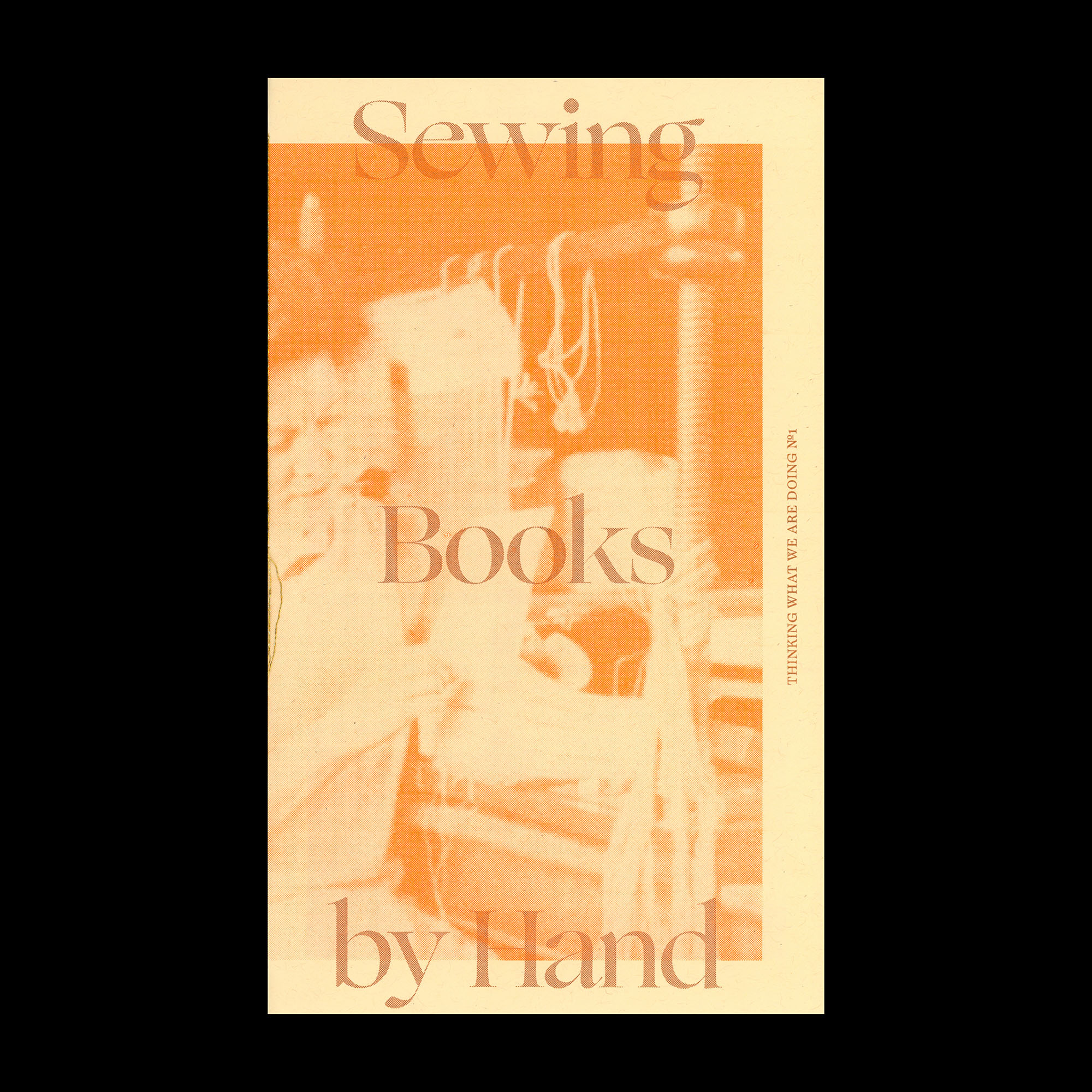
A reflective essay on the observations, thoughts, and feelings that arise in the process of this particular patient and meditative labor. First written while sewing the handmade edition of Our daily lives have to be a satisfaction in themselves.
hand-mind
who governs?
Police Others As You Would Have Others Police You
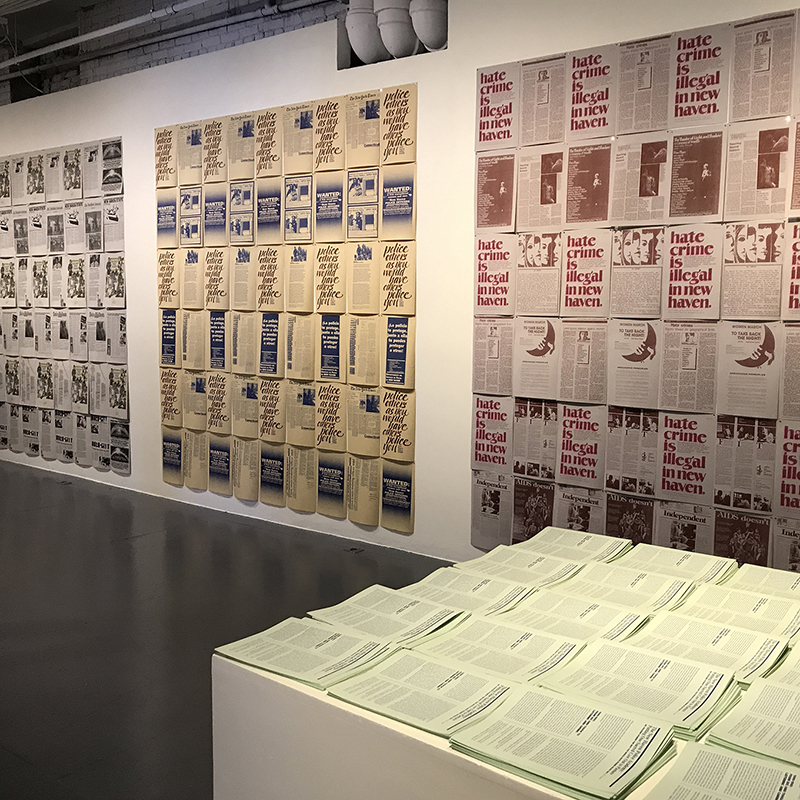
A print installation made from the archives of artist-activist, feminist theater director, and New Haven Police educator K.D. Codish at Artspace New Haven, as part of the Who Governs? exhibition of commissioned projects, curated by Frank Mitchell, fall 2020. In collaboration with Codish, we are currently expanding this project into a book.
alder & frankia efemmera reissue series #4
Police Others As You Would Have Others Police You
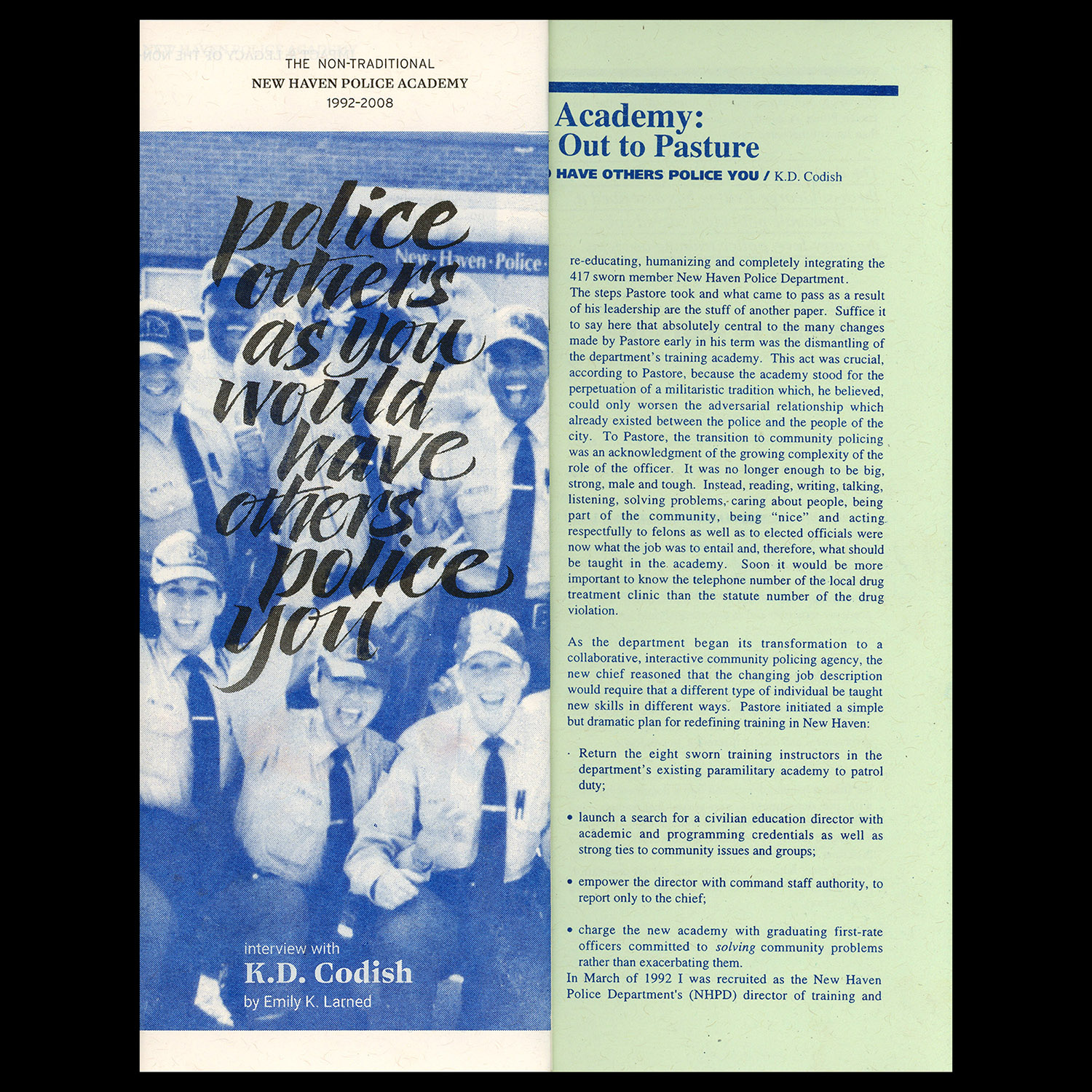
The amazing true story of the "non-traditional" New Haven Police Academy (1992–2008), which was transformed from a militaristic boot camp into a socially engaged, arts-informed academy by local activist and artist K.D. Codish. This publication includes a reprint of Codish's out-of-print 1996 article The New Haven Police Academy: Putting One Sacred Cow Out to Pasture, along with a new 2021 interview with Codish. In collaboration with Codish, we are currently expanding this project into a book.
paper
Opuscule
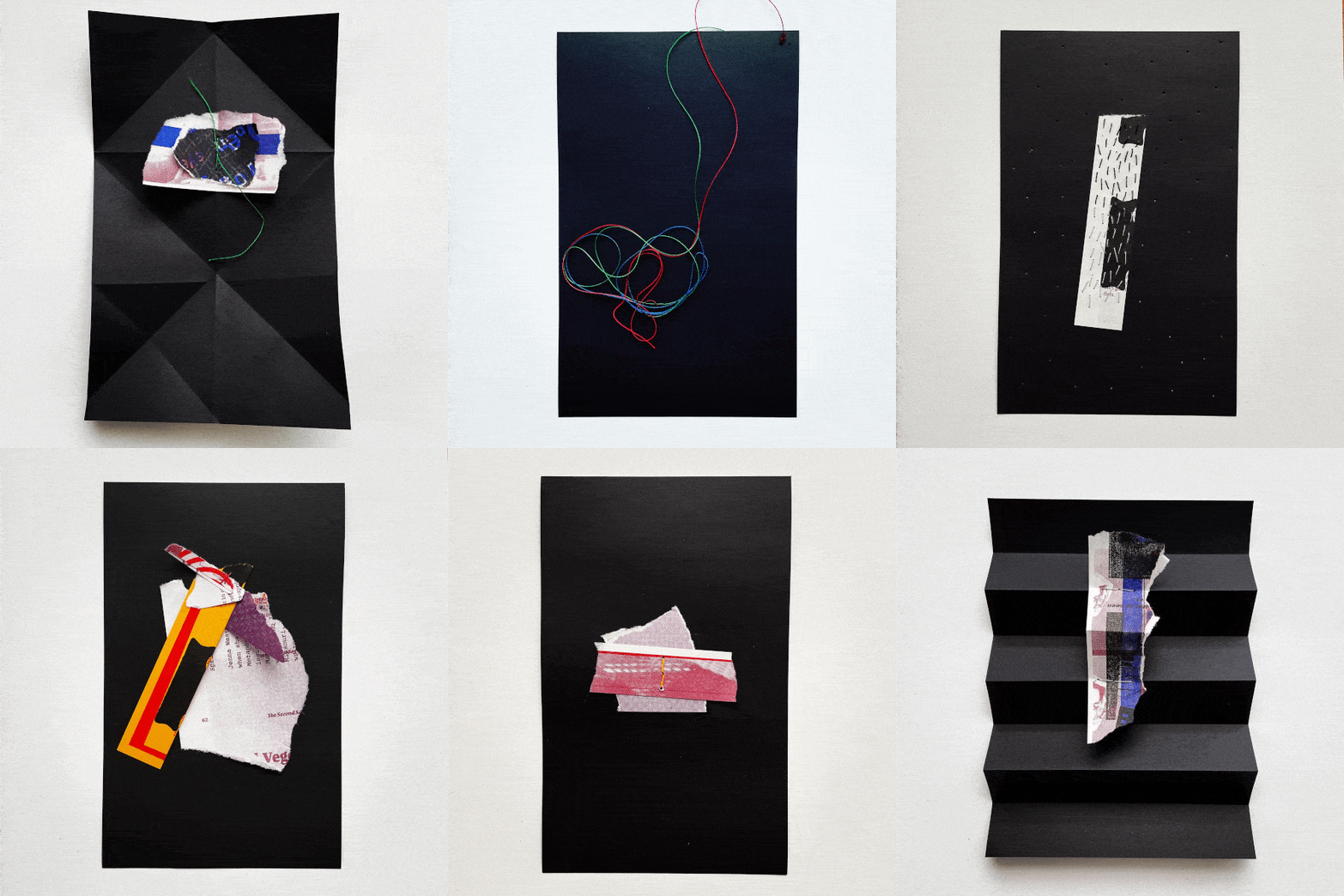
An ongoing series (2021–) of works on paper: bookmaking actions (folding, sewing, tearing, cutting, punching holes), riso printed studio scraps, and 5x8 black paper.
alder & frankia efemmera reissue series #6
Feminist Powers
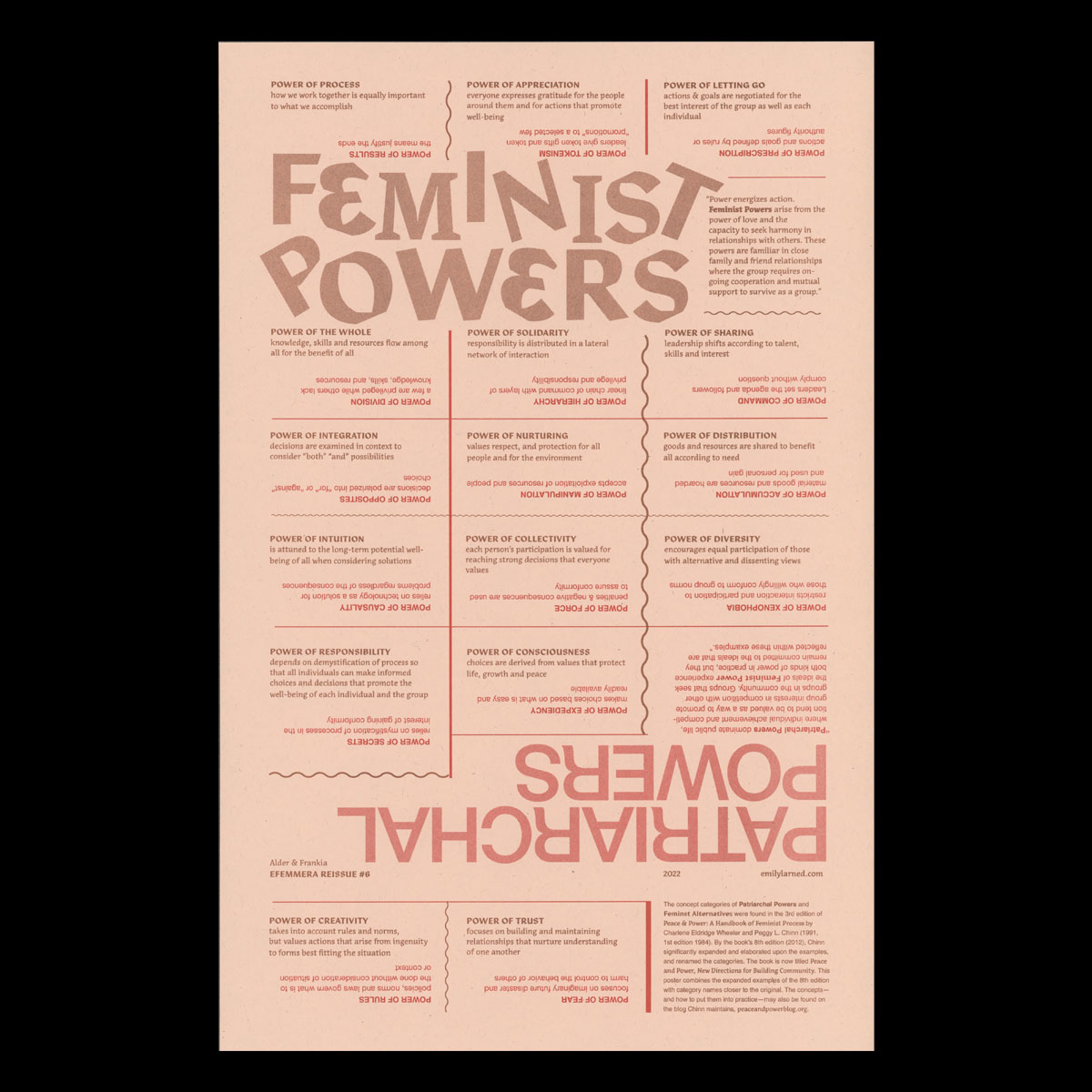
Concepts by Charlene Eldridge Wheeler & Peggy Chinn from their 1984 book Peace & Power: A Handbook of Feminist Process, designed in a new rotational poster to be put to use in collaborative work settings.
alder & frankia efemmera reissue series #5
A Witch Recipe for Grievers
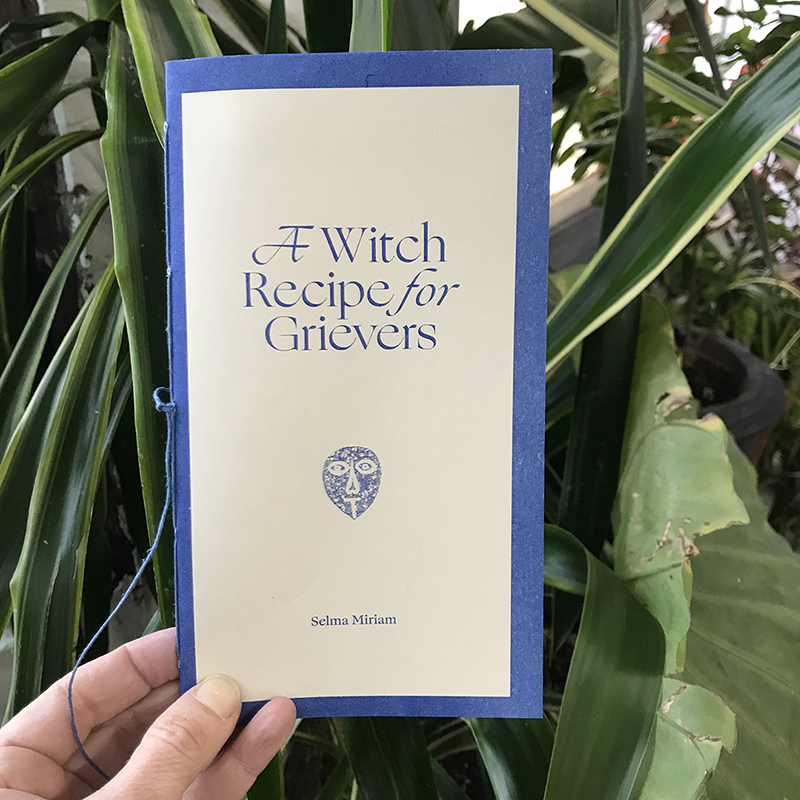
A short essay by Selma Miriam of Bloodroot, designed into a lovely contemplative pamphlet intended to be given to a friend in need.
alder & frankia efemmera reissue series #7
Radical Feminist Nursing
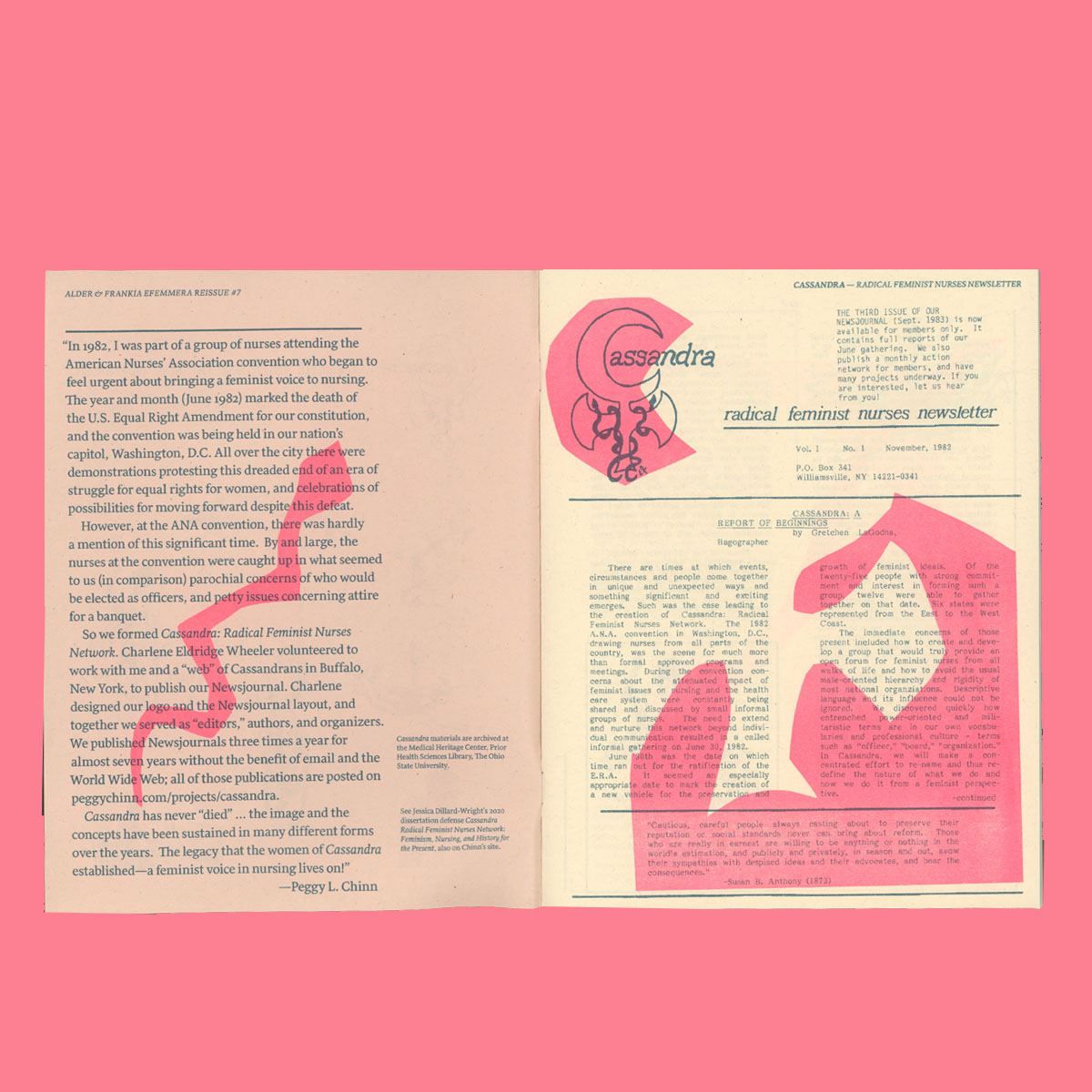
A visually reinterpreted reissue of the first newsletter by Cassandra Radical Feminist Nurses Network, founded in 1982, with an introduction by one of the co-founders, Peggy Chinn.
alder & frankia efemmera reissue series #3
Saving Seeds
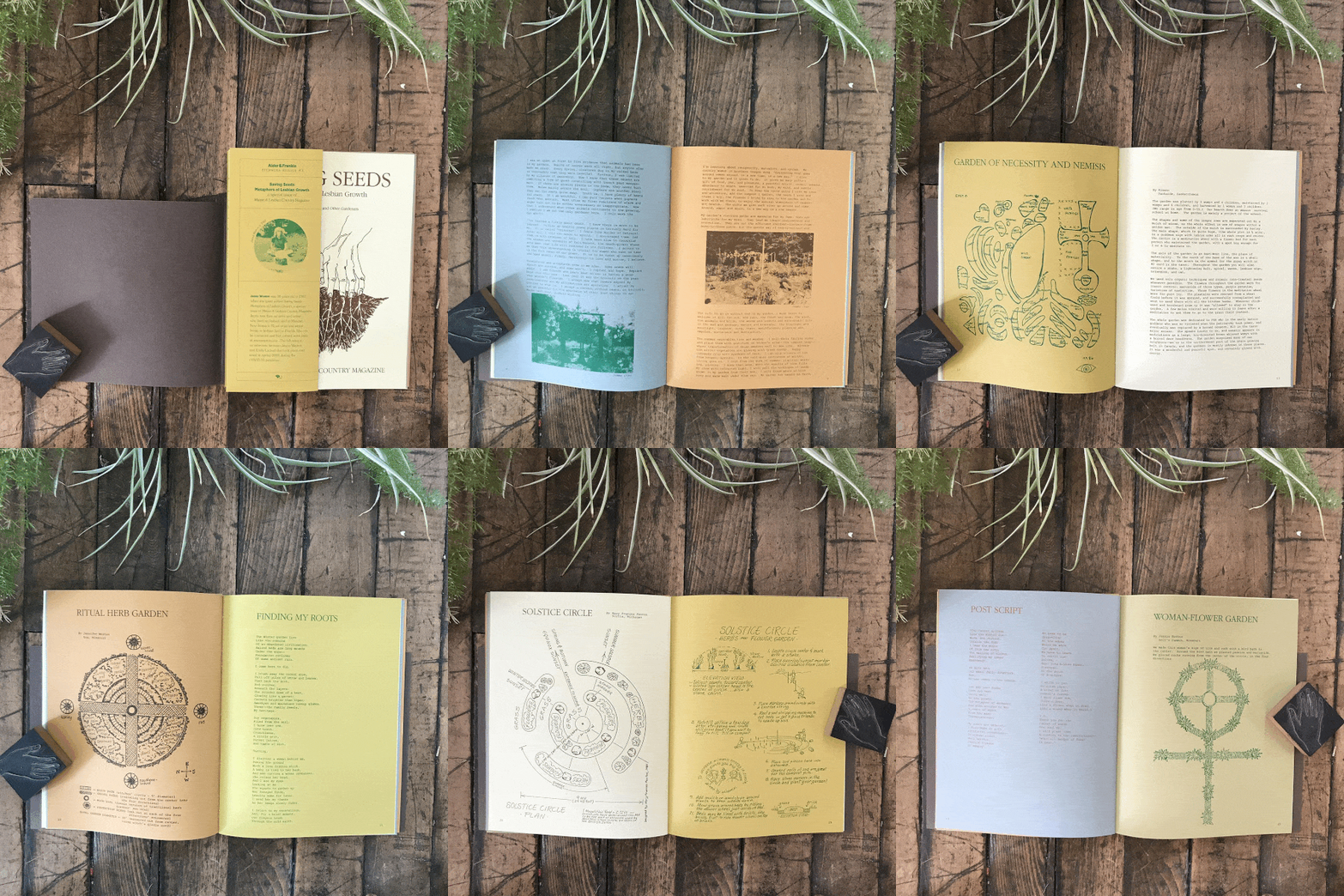
Originally published in 1987, Saving Seeds: Metaphors of Lesbian Growth, a special issue of Maize: A Lesbian Country Magazine, was created by artist and writer Jenna Weston as a tribute to "magical female-oriented gardens." This handmade reissue reimagines the black and white original in a range of lush earth tones.
alder & frankia efemmera reissue series #1
Wellbeing is our Birthright
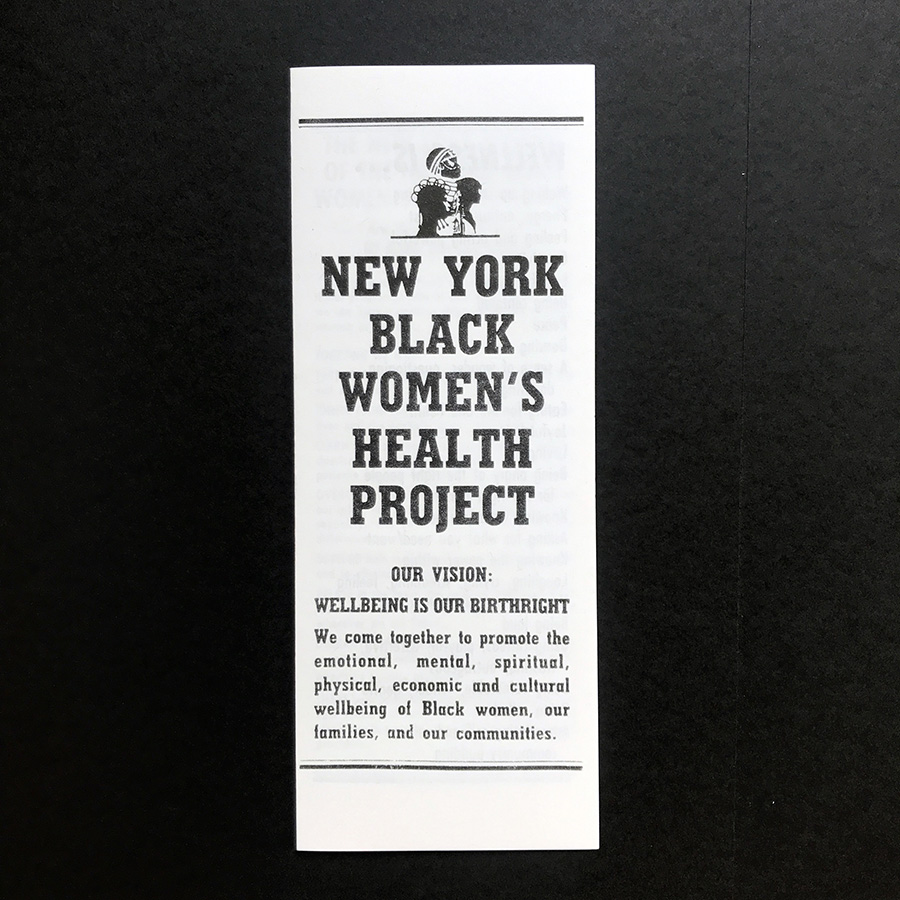
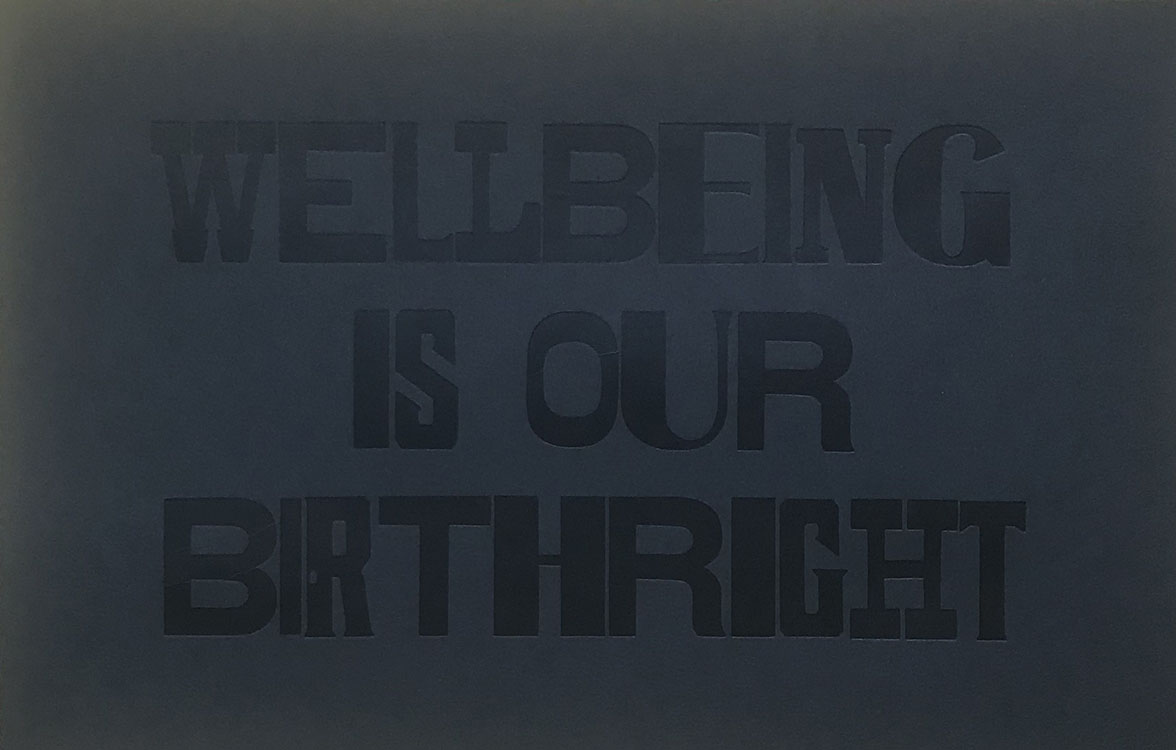
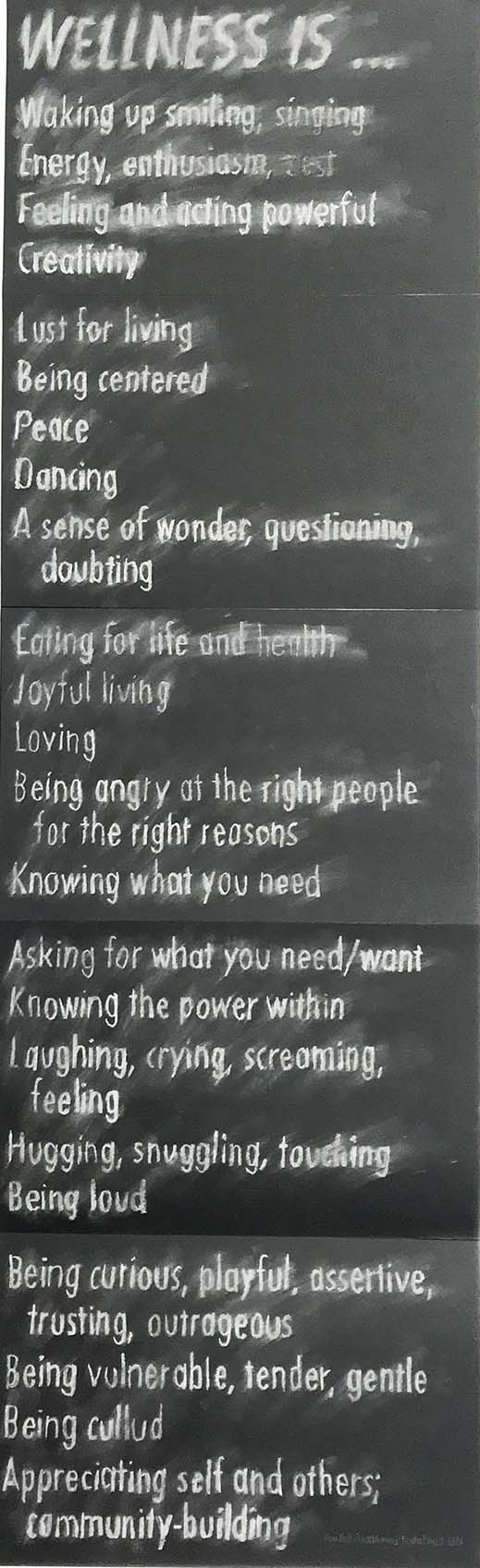
An enlarged reissue of a ~1989/90 leaflet from the New York Black Women's Health Project, along with new print interpretations of its text.
alder & frankia efemmera reissue series #2
The Reaction of Women to the Inferior Status of Women
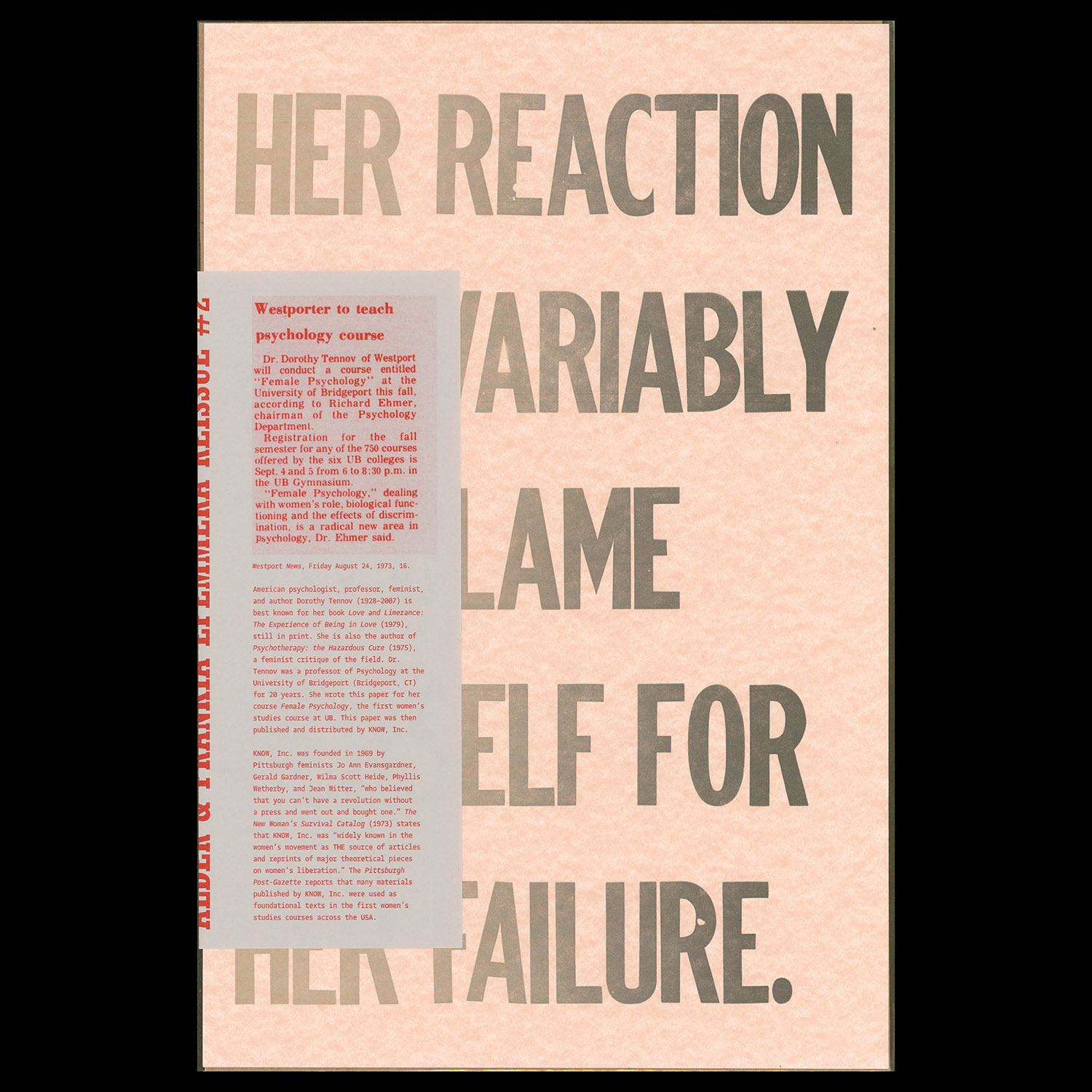
An enlarged reissue and new letterpress print of 1973 lecture notes by Dr. Dorothy Tennov for her class "Female Psychology," the first Women's Studies course at the University of Bridgeport, widely circulated by a leading feminist distributor, KNOW, INC.
an open call
ILSSA Diagrams
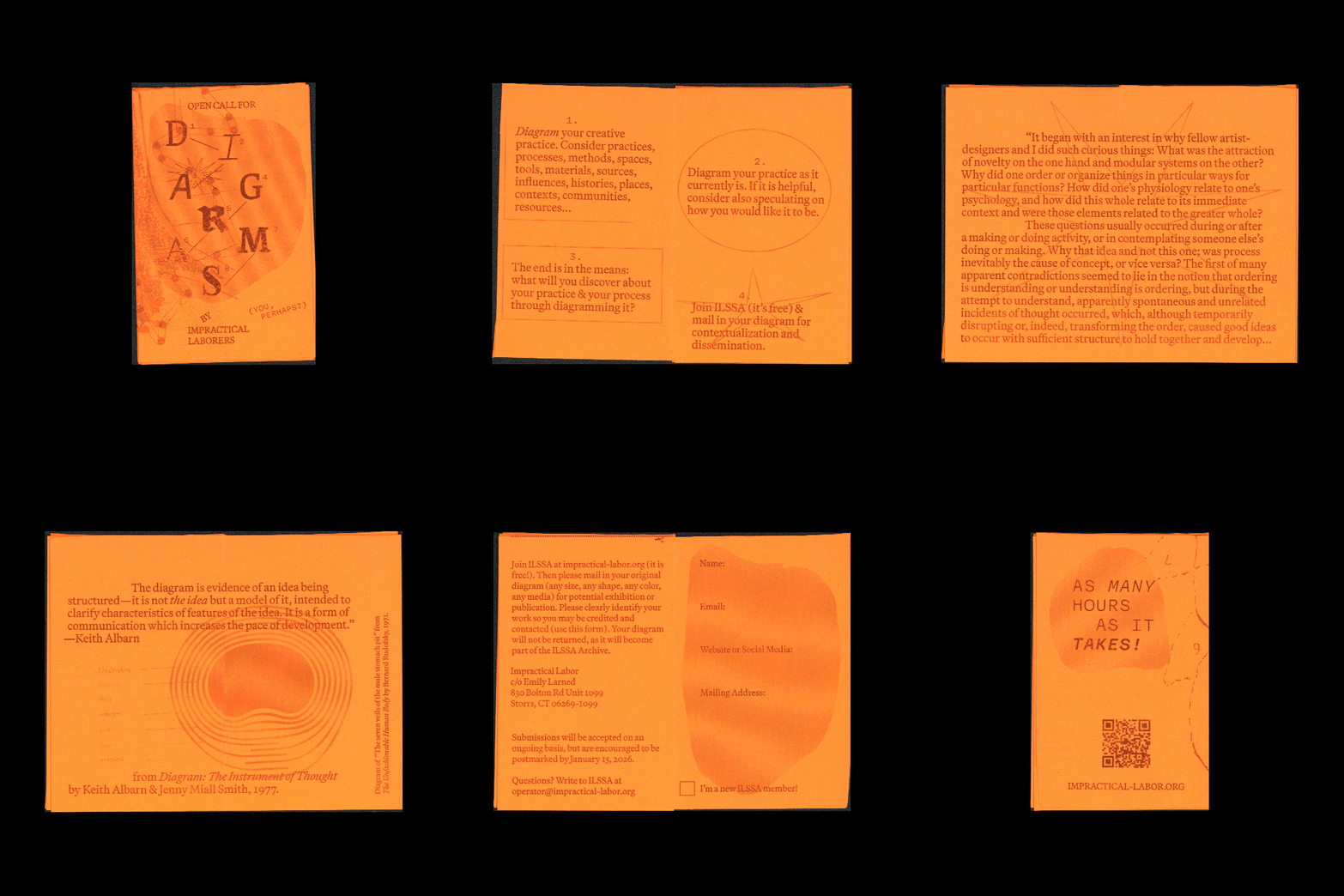
“The diagram is evidence of an idea being structured—it is not the idea but a model of it, intended to clarify characteristics of features of the idea. It is a form of communication which increases the pace of development.” —Keith Albarn, Diagram: The Instrument of Thought (1977) by Albarn & Jenny Miall Smith. A zine announcing an open call for impractical laborers to diagram their creative practice in 2025. Read more about the invitation and download a printable copy here.
40 years of bloodroot
Our daily lives have to be a satisfaction in themselves
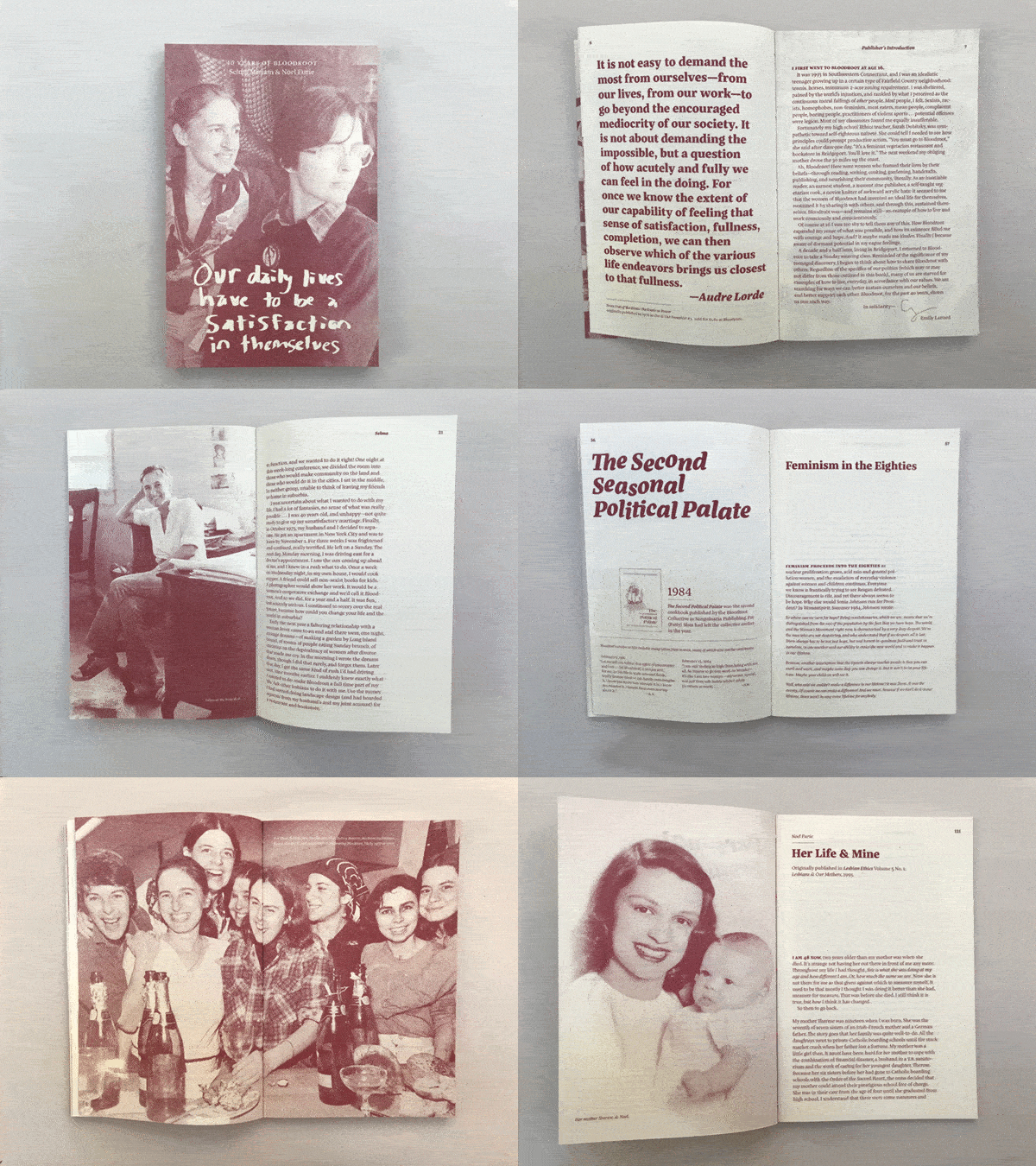
Described as "a small, perfect book" and selected as Best Book of 2017 by the Endless Bookshelf, Our daily lives have to be a satisfaction in themselves documents 40 years of Bloodroot, the feminist vegetarian restaurant, bookstore, & radical lesbian work collective in Bridgeport, CT. Comprising personal-political essays by Selma Miriam & Noel Furie & many previously unpublished photographs by Noel, the original handmade edition of the book was awarded design honors from AIGA (50 Boooks | 50 Covers), the Type Directors Club (TDC) (World's Best Typography), and the Connecticut Art Directors Club (CADC) (Gold Award in Book Design, Spirit of Creativity Award). An offset printed, perfect bound edition of 1,000 copies was published in 2020. Both editions are now sold out. To purchase offset copies, try stockists such as Littlejohn Press or Ooga Booga. To purchase the hand-sewn, riso printed edition, try NLP Books From Friends. NEW IN 2026: a bilingual Chinese-English edition of Our daily lives have to be a satisfaction in themselves from Shanghai-based 51 Personae.
one mark one thousand times
Computer Cross-stitch
favoritest music
SMG
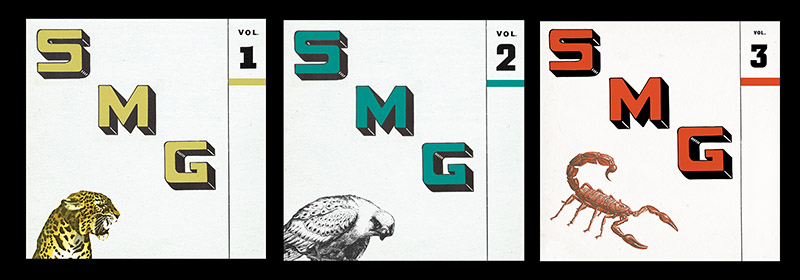
Album design for "Connecticut's favorite jazz ensemble," the fantastic Secular Music Group, Volumes 1-3. Brought to you by Love All Day.
for the wilton library
Favorite Lines
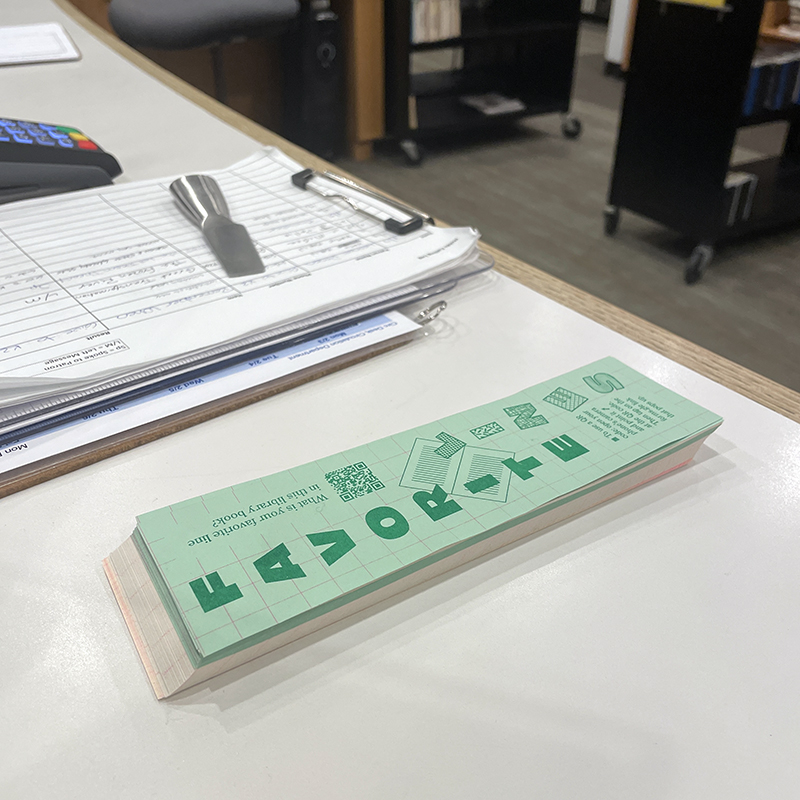
Favorite Lines is an artwork by Emily Larned for the Wilton Library as part of the AmFab Artist Studios group exhibition Terrains of the Heart, February 7–March 6, 2025, Wilton, Connecticut. During the month-long exhibition, library patrons were invited to submit as many favorite lines from as many library books as they wished. A new text was composed from all submitted lines and if you like you may
a reversible poster for ilssa
Satisfied / Alienated Workers
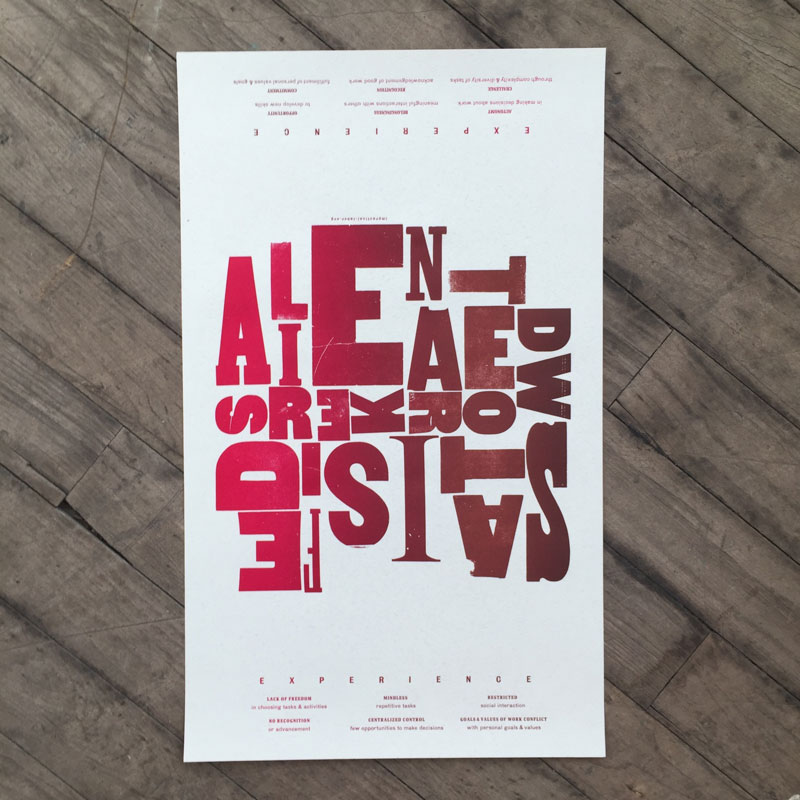
Satisfied workers experience belongingness, autonomy, and the opportunity to develop new skills. Alienated workers experience centralized control, little community, and no recognition or opportunity for advancement. Rotate this poster to best suit your own working conditions. Handset wood and metal types, printed letterpress, for Impractical Labor.
thinking what we are doing #2
Manifesting the Making
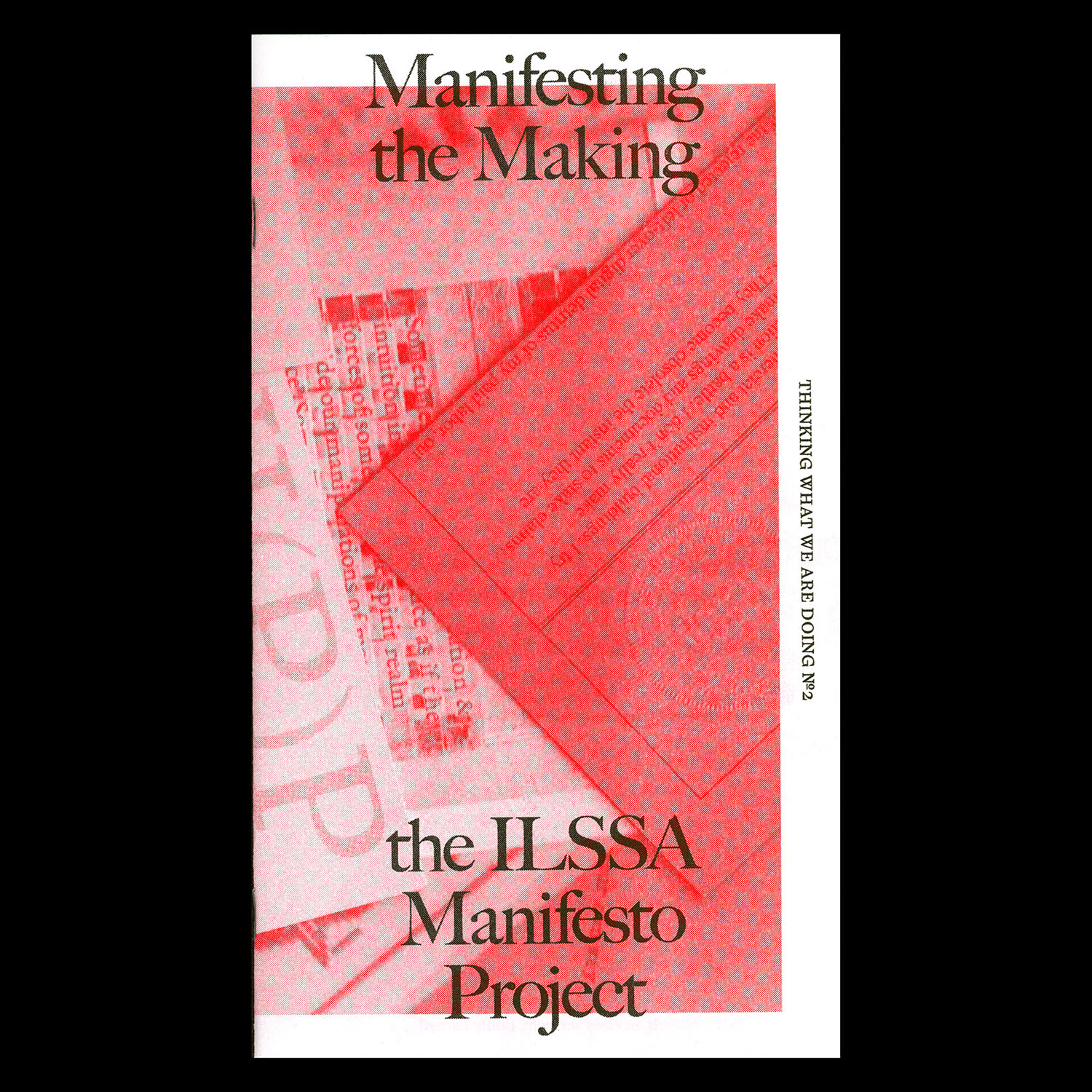
In 2015, ILSSA published an open call for member manifestos. The project, involving 10 collaborating artists and 9 years, is documented in this reflective contextual essay.
surveying the art-going public for their
Opinions on Art
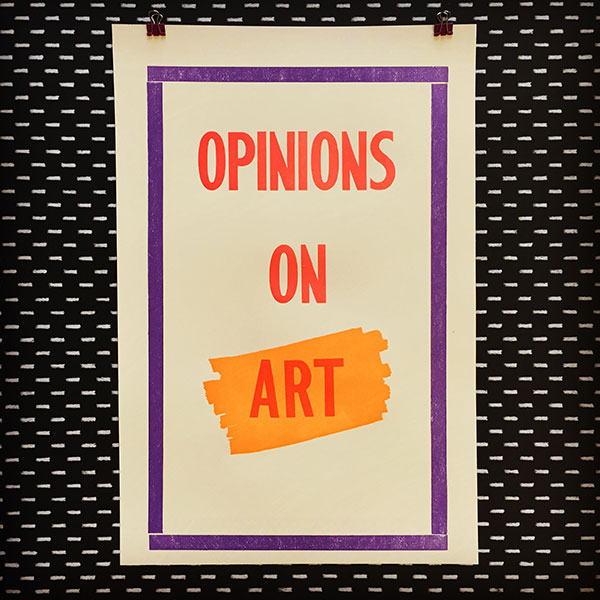
Letterpress printed surveys answered by attendees at guest lectures, open studios, and visiting artist gigs, 2015. Now in a private collection.
election 2016 zine
November 8, 2016
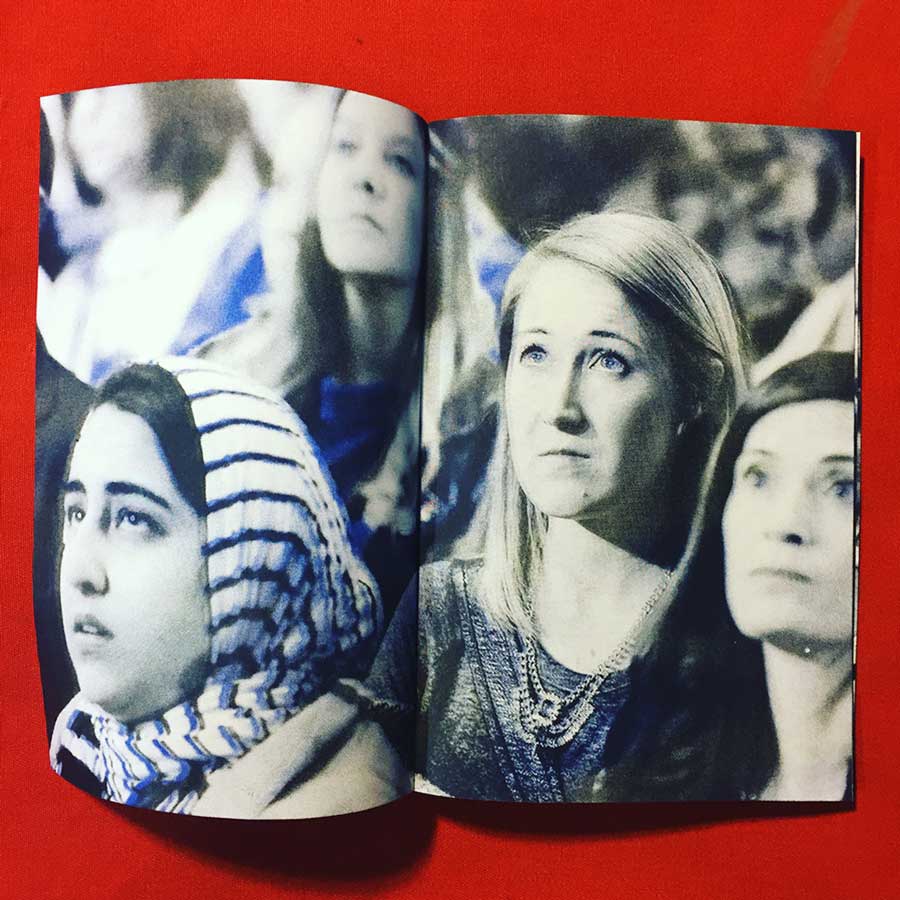
A fundraising zine for the National Women's Law Center, conceived, designed, and printed in the 48 hours after the 2016 election. Sold out.
head in the clouds lp
Headroom
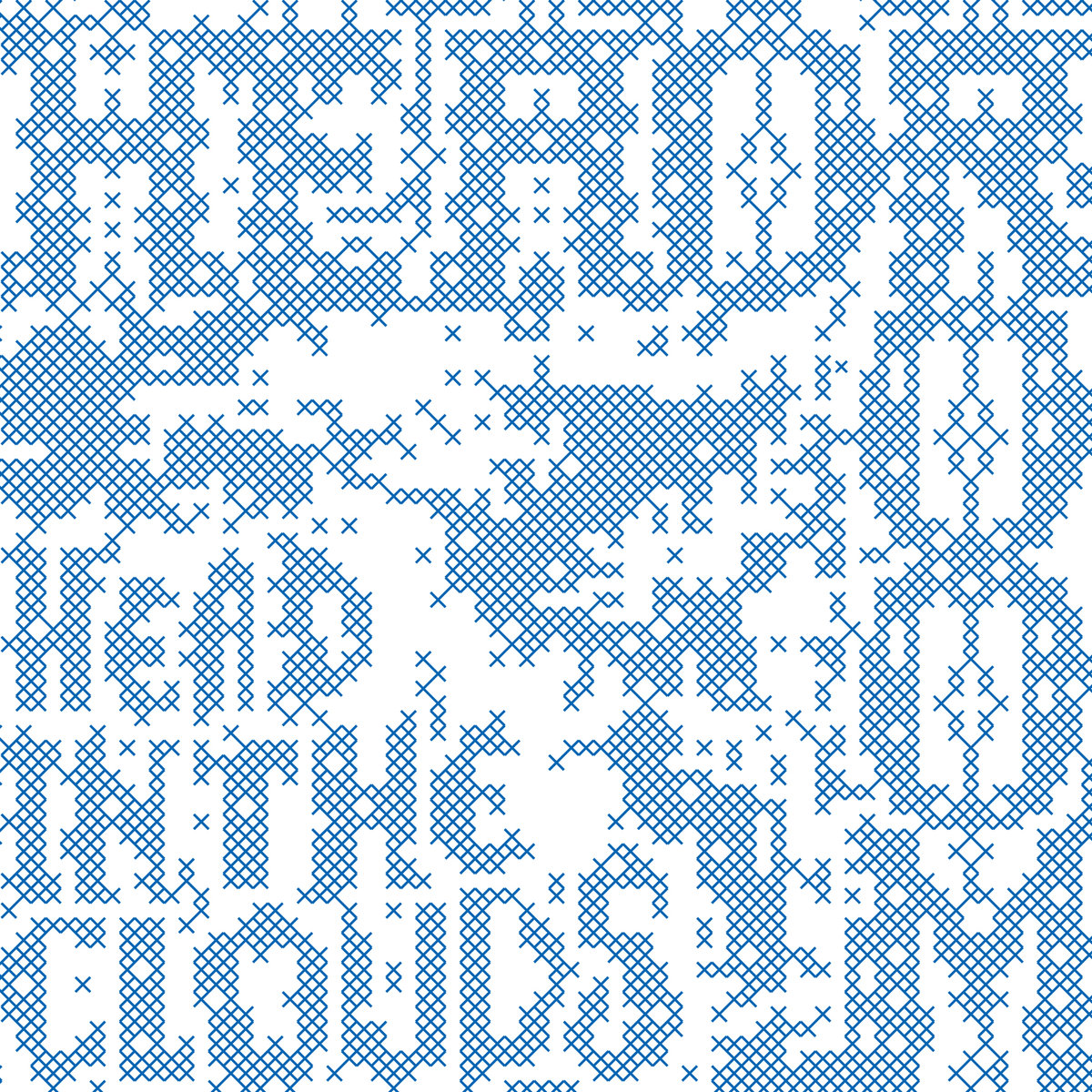
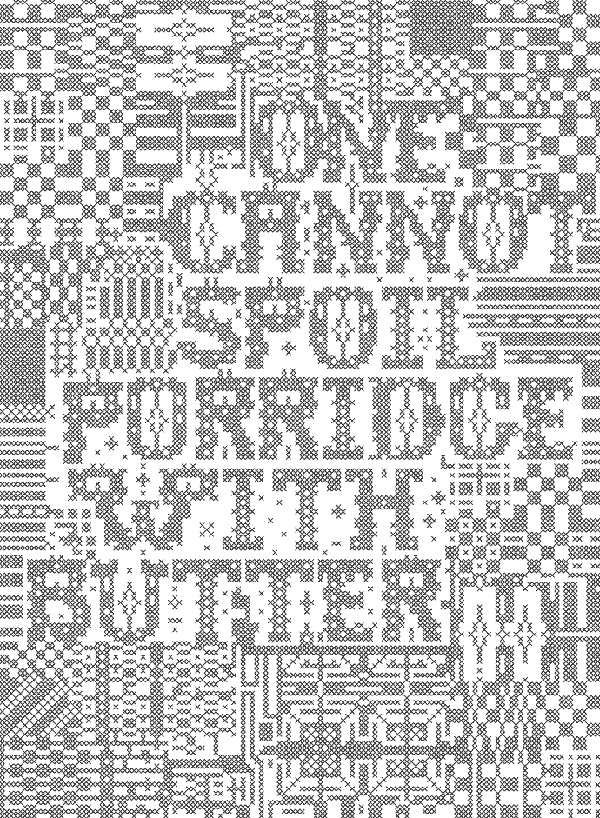
Computer cross-stitch record cover for the one and only Kryssi Battalene, out on Trouble in Mind Records.
the first book from alder & frankia
Beauty in Transition: Portraits
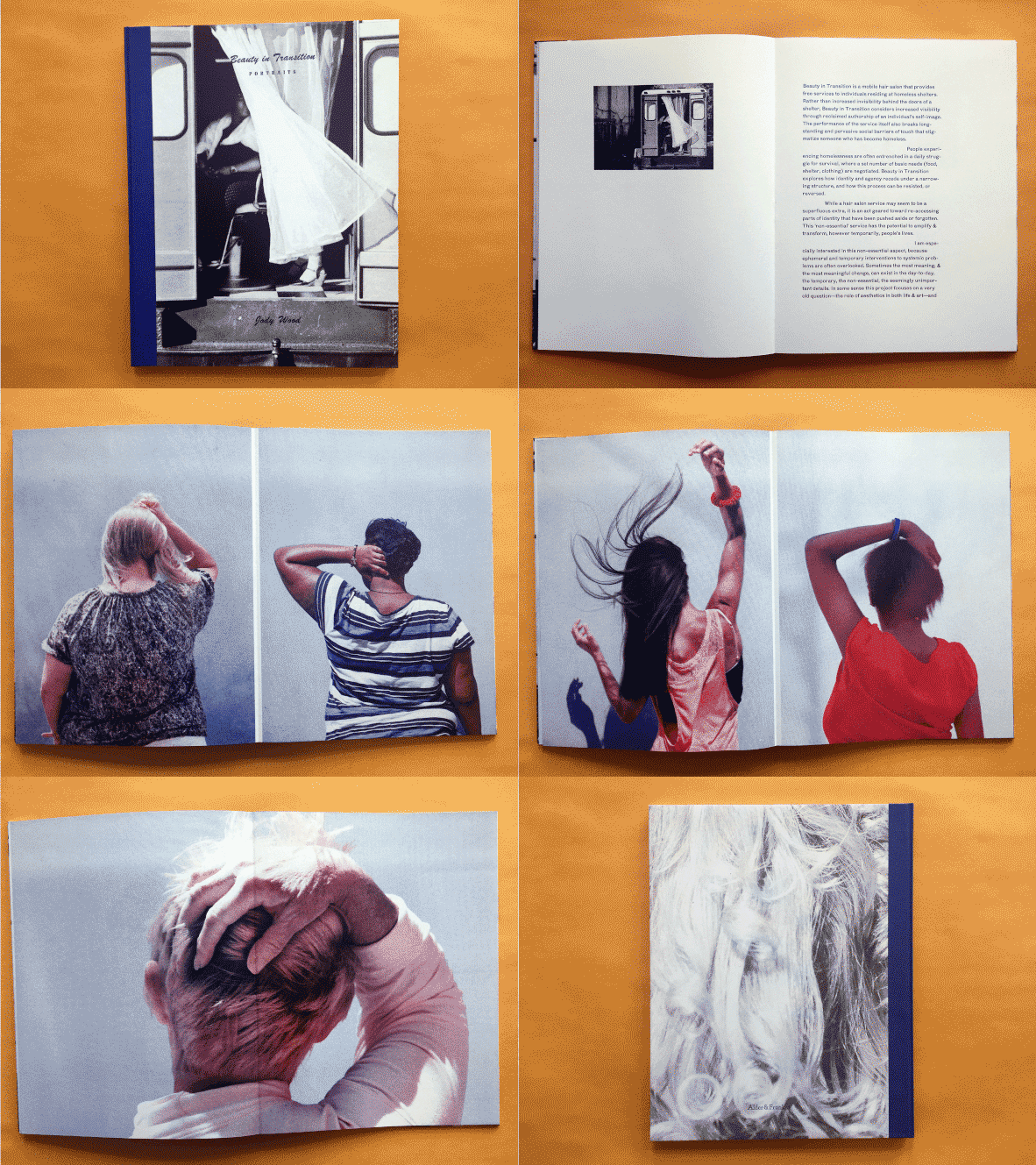
NYC-based artist Jody Wood created a mobile hair salon for people who are homeless and residing in shelters. Her project, titled Beauty in Transition, has been funded by A Blade of Grass, and featured by The Atlantic and MSNBC. This award-winning handmade book documents Wood's project in a beautiful, intimate, and tactile risograph and letterpress edition. From Wood's introduction: "While a hair salon service may seem to be a superfluous extra, it is an act geared toward re-accessing parts of identity that have been pushed aside . . . I am especially interested in this non-essential aspect, because ephemeral and temporary interventions to systemic problems are often overlooked. Sometimes the most meaning, and the most meaningful change, can exist in the day-to-day, the temporary, the non-essential, the seemingly unimportant details."
essential tools for living
ILSSA Implement
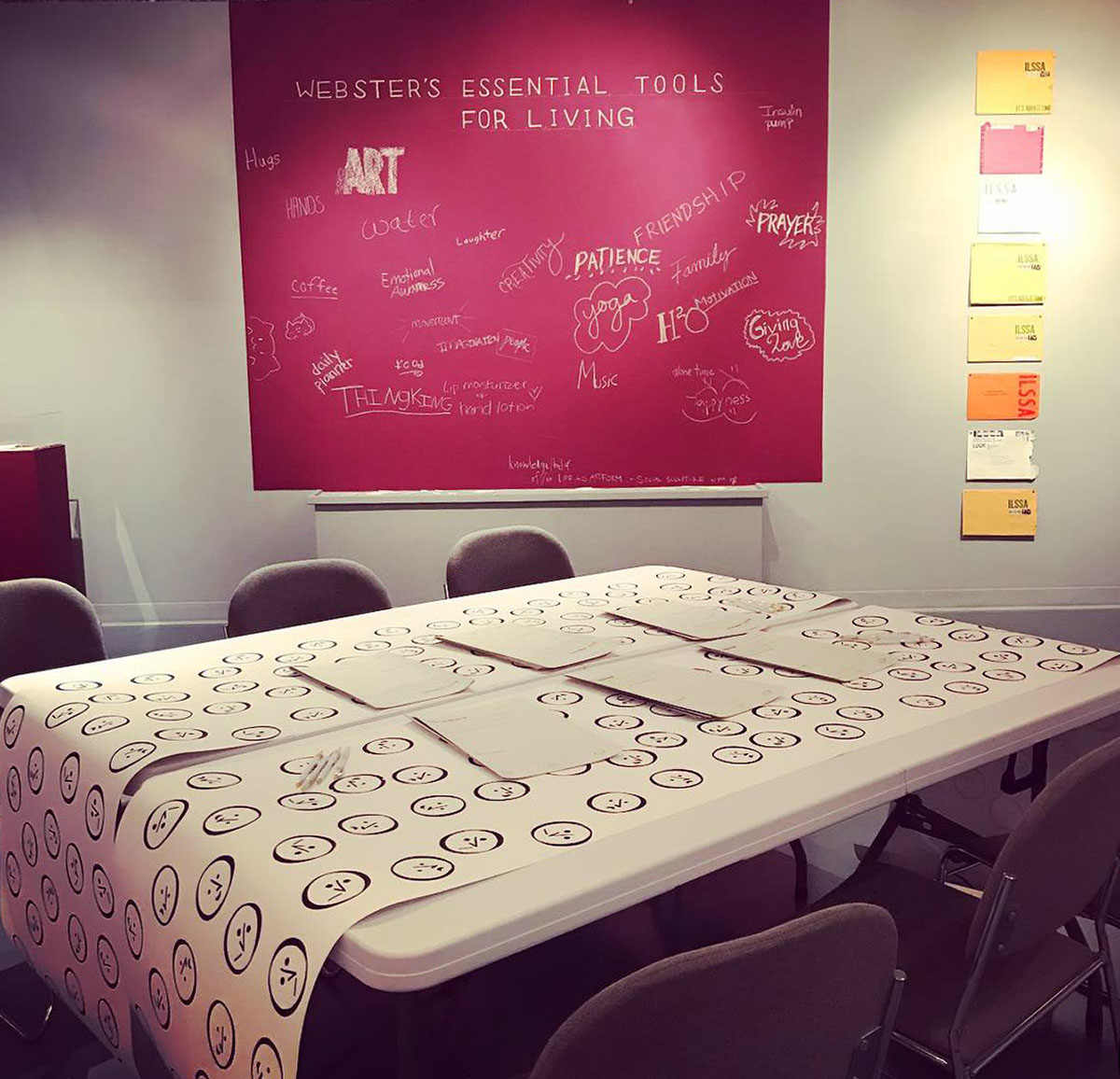
ILSSA Implement: Essential Tools for Living explores and expands the potential of the toolkit, inviting individuals to consider and share what they deem to be essential tools for living. Installed at Hunt Gallery, Webster University, St. Louis, MO, November 16, 2018–January 5, 2019.
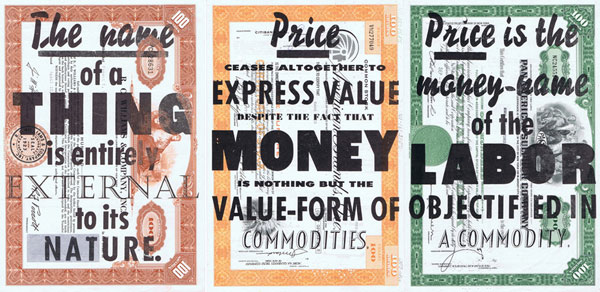
marxian letterpress broadsides pegged to the dow
The Stock Project
a chronobiology self-test for ilssa
Making Time Quarterly
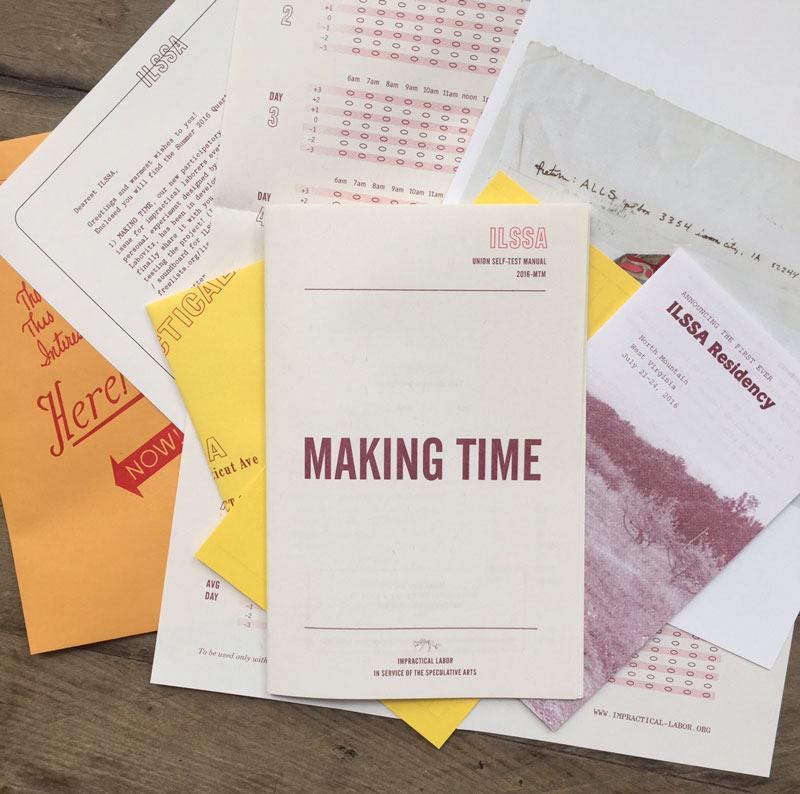
Are you always +2 at 11am? The summer 2016 ILSSA Quarterly included Making Time, a chronobiological self-test to determine your own personal time cycle, made in collaboration with John Labovitz and Bridget Elmer.
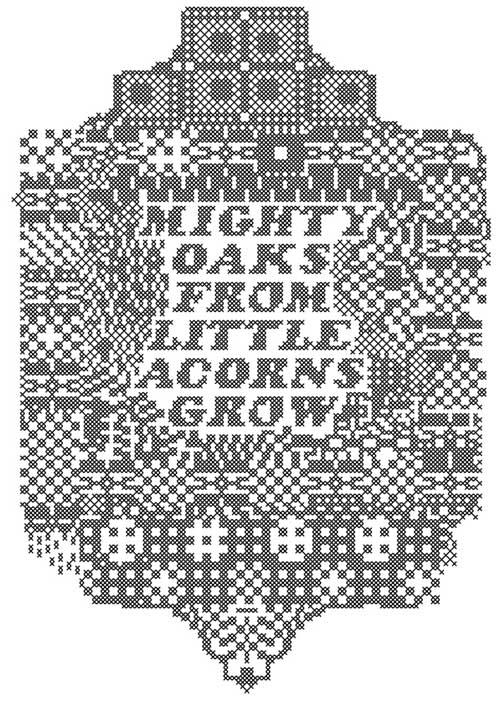
one mark one thousand times
Computer Cross-stitch
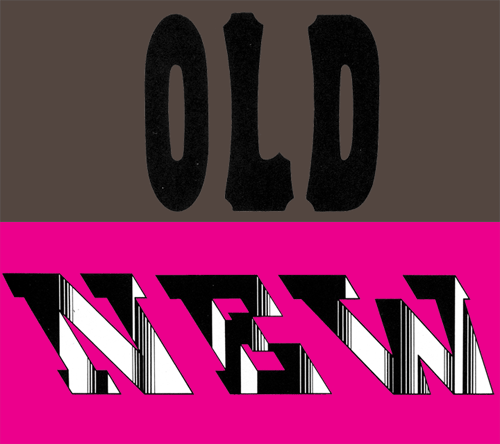
old-new
olde american proverb
It is Best to Make the Best of the Worst
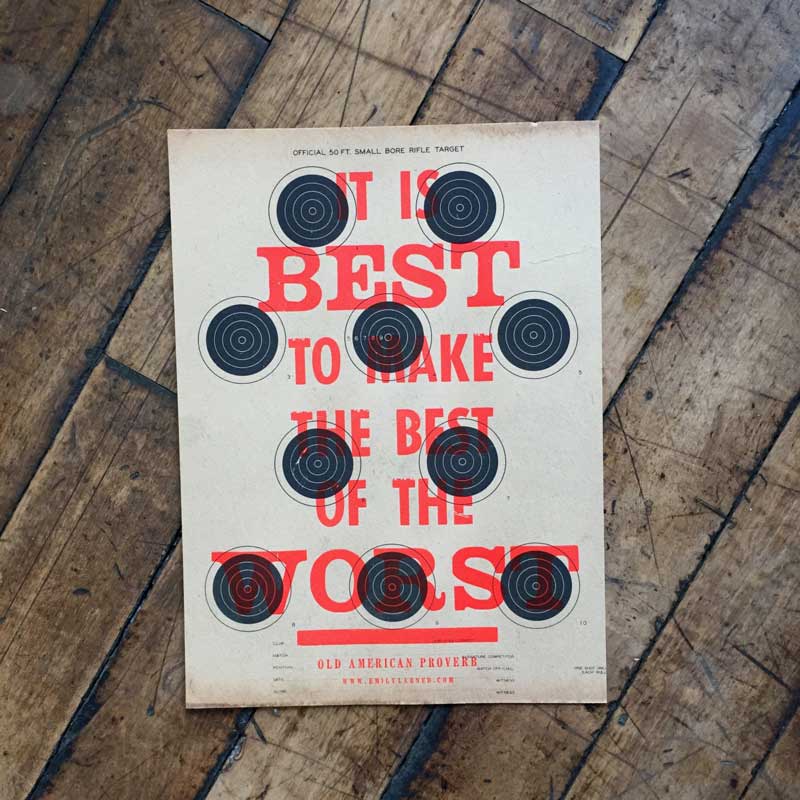
The first of a series of print-your-own letterpress broadsides, an Open Studios fundraiser for the Coalition to Stop Gun Violence.
$1,092 raised
album cover: games of skill & chance
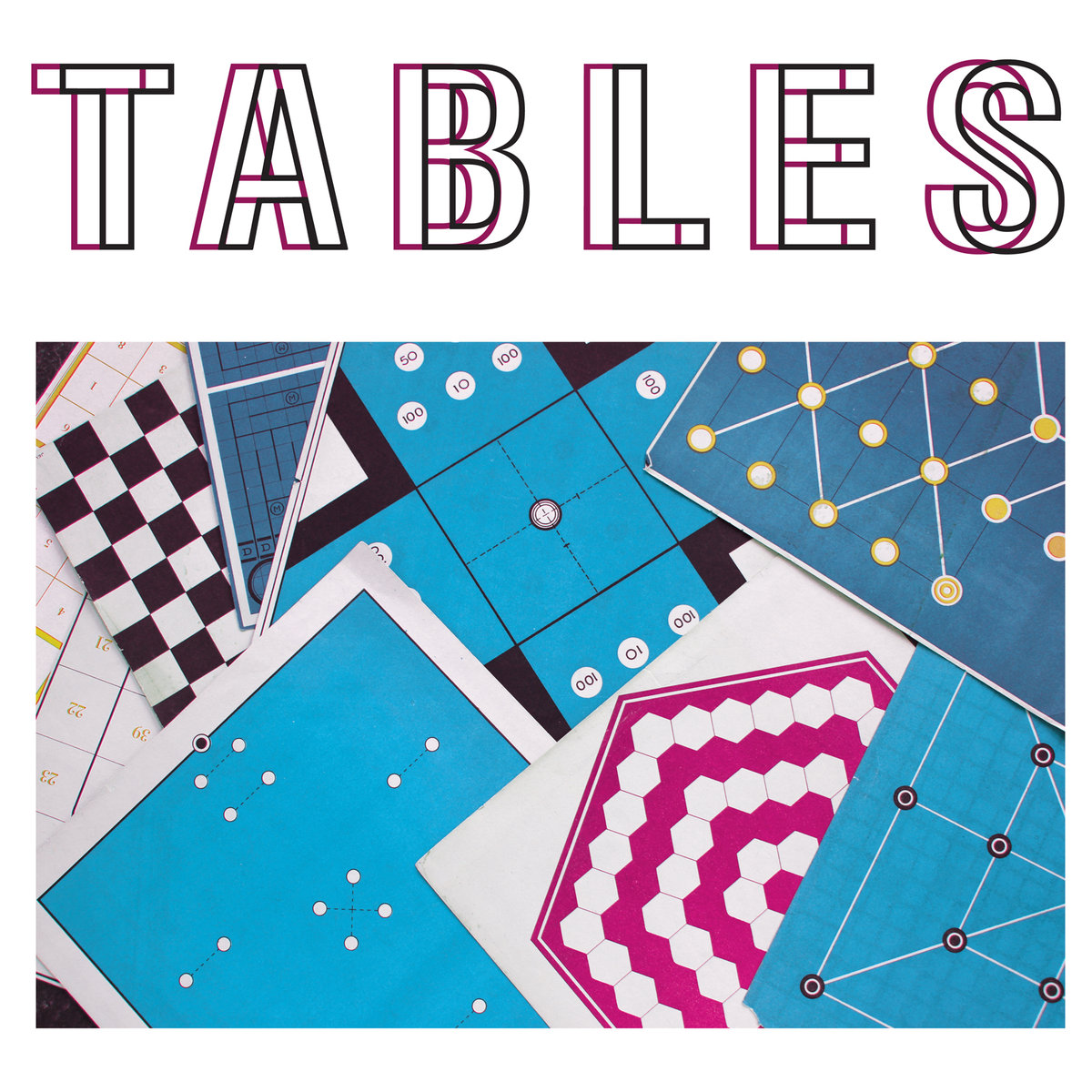
Record cover for the amazing TABLES, out on Safety Meeting Records.
tours of an abandoned seaside park
Pleasure Beach Lives
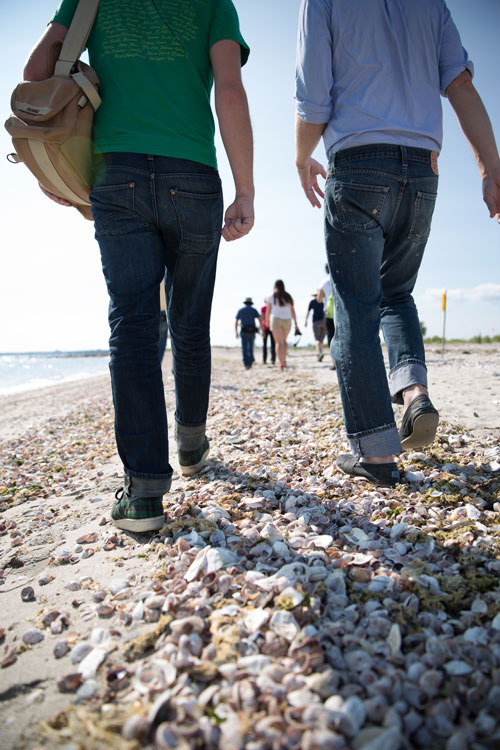
From 2012–2014, I organized free walking tours from Stratford's Long Beach to Bridgeport's abandoned Pleasure Beach, a former amusement park. Tours were led by resident local experts, including a historian, biologist, social studies teacher, and master wildlife conservationist. Photo by Kelly Jensen.
surveying the 2nd state of the
ILSSA Union
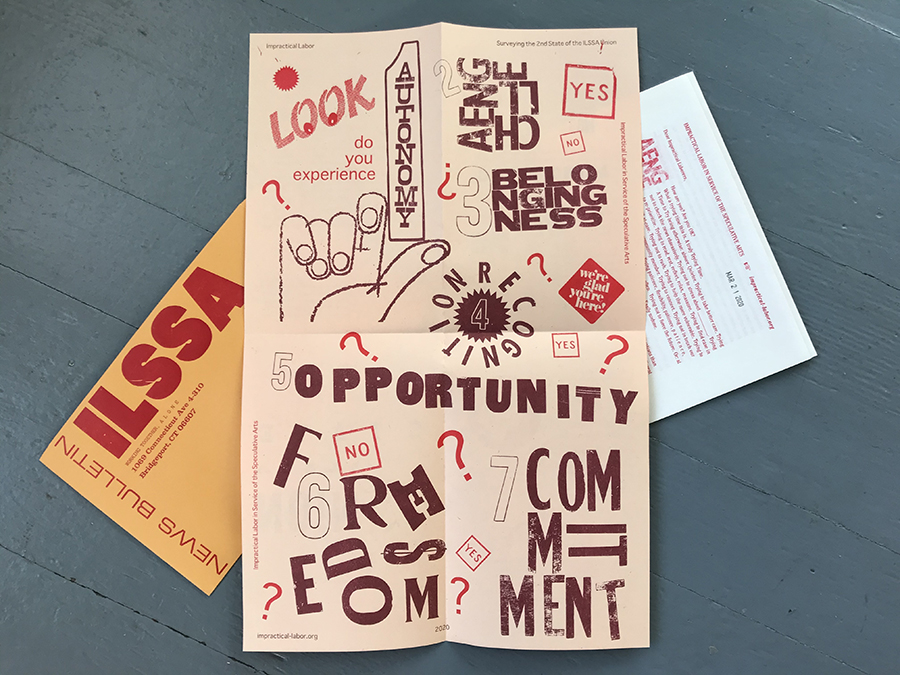
In the March 2020 News Bulletin, ILSSA asks impractical laborers to report their experiences with COVID-19, and to reflect on their working conditions.
Opuscule
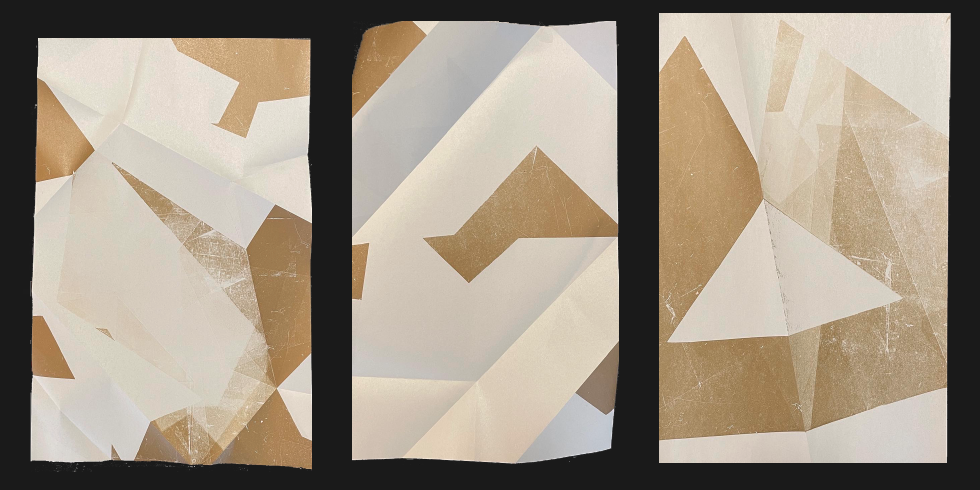
An ongoing series (2022–) of works on paper, using bookmaking processes in experimental ways: here, letterpress printing, wood type, and folded paper to create sculptural monoprints.
experiments in paper typography
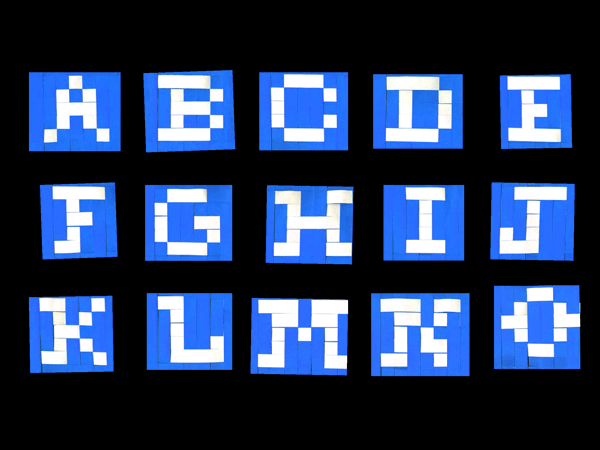
A Woven Alphabet
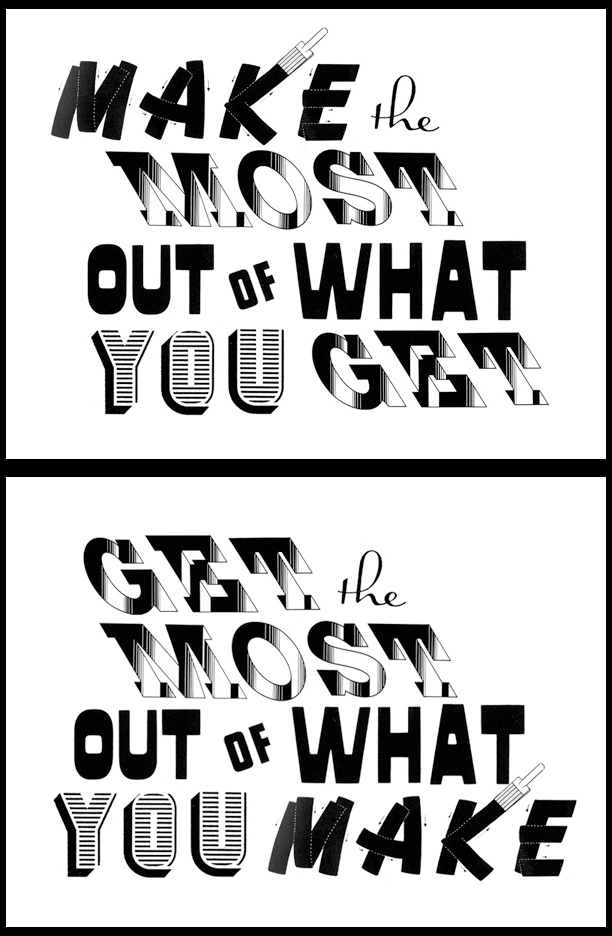
make the most
towards a colllective framework
ILSSA Frameworks
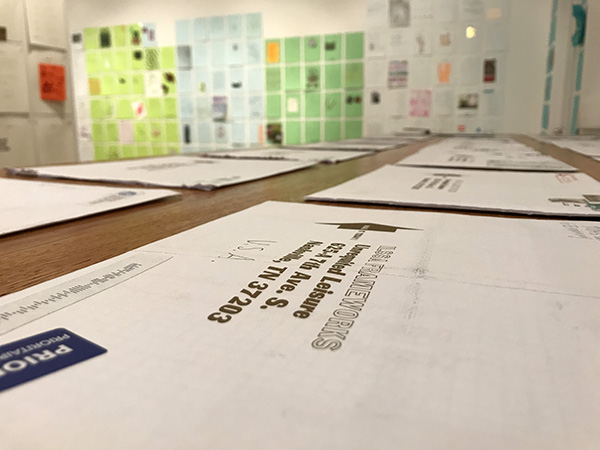
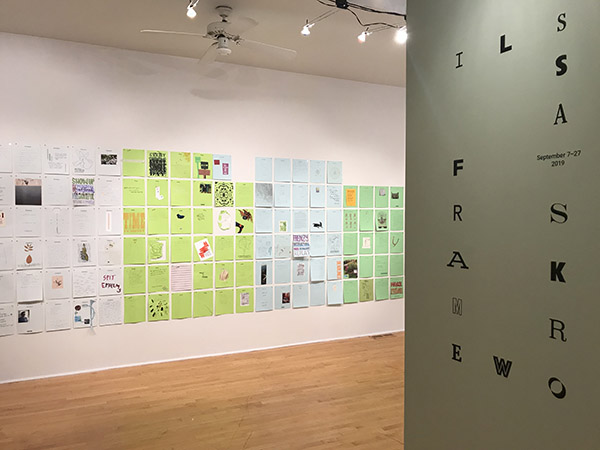
ILSSA Frameworks asked impractical laborers What frameworks are essential supporting structures for your practice? Read a review of the September 2019 show at Unrequited Leisure (Nashville, TN) over at Number:Inc Magazine.
alder & frankia
From a Winter Notebook
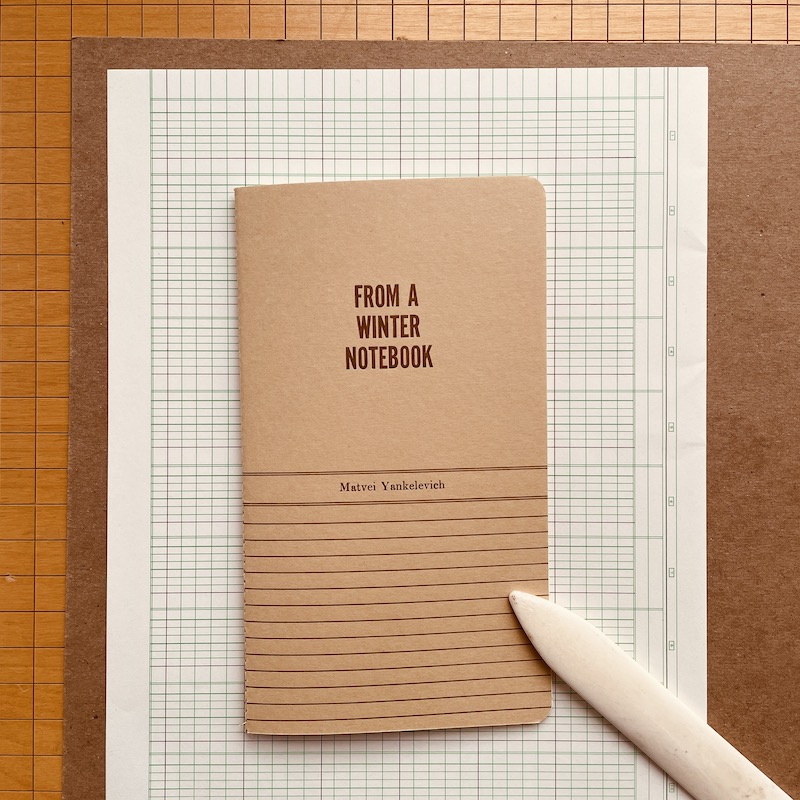
A handmade chapbook of poems by Matvei Yankelevich, out of print.